
3 June 2025
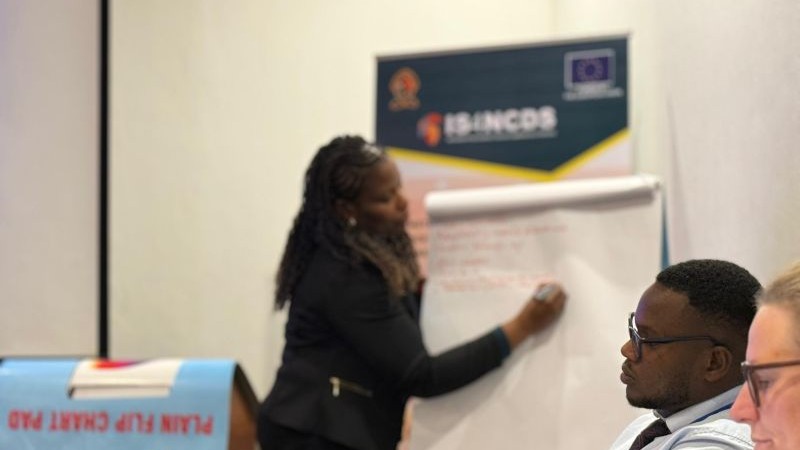
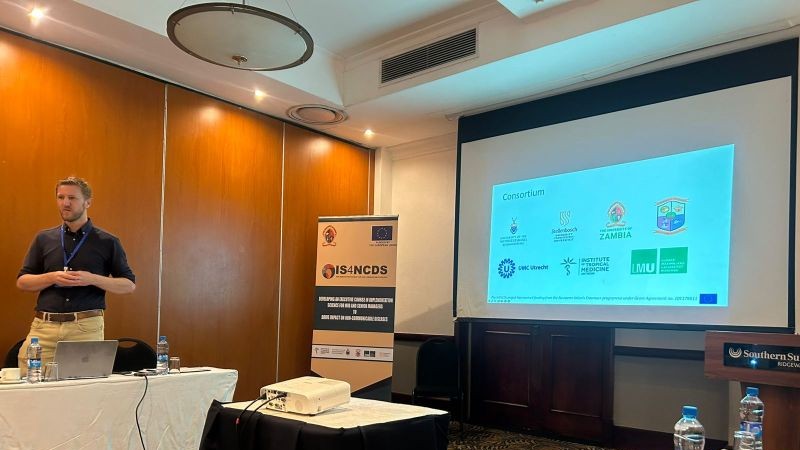
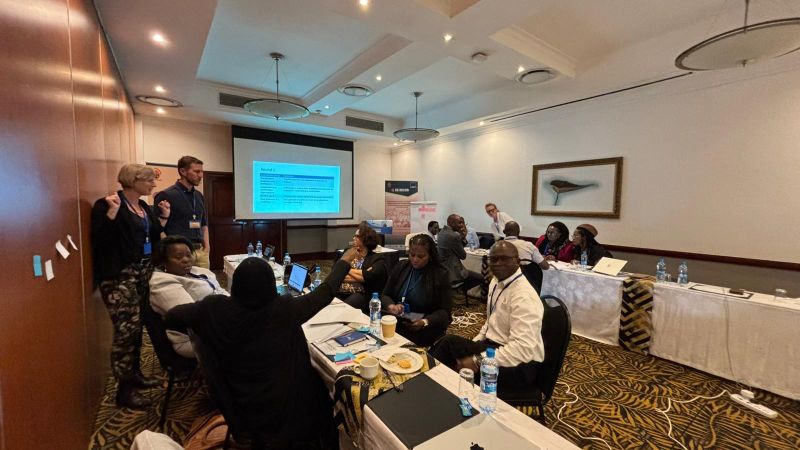
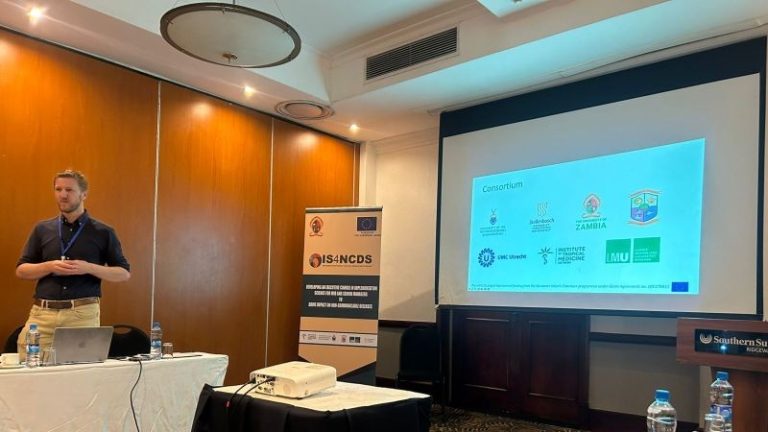
Day 1 of the IS4NCDS (Implementation Science for Non-Communicable Diseases) first annual consortium meeting underscored the critical role of stakeholder engagement in advancing implementation science. This foundational approach is pivotal for successful outcomes when developing curricula and interventions for non-communicable diseases at multiple governance levels.
Participants engaged in breakout group sessions focused on identifying and analyzing stakeholders relevant across international, regional, national, and local contexts. These exercises highlighted the complexity and diversity of stakeholders involved in the implementation ecosystem for health programs. Recognizing and mapping the influence, interests, and impact of these various stakeholders enable a strategic and effective engagement process.
Stakeholder engagement in implementation science goes beyond simple communication. It involves a collaborative, transparent, and two-way process where stakeholders are informed, consulted, and actively involved throughout the project cycle. Such engagement ensures that the initiatives are tailored to the realities and needs at multiple levels, increasing the likelihood of acceptance, sustainability, and success.
The IS4NCDS meeting provided a platform to practice and reinforce these principles through stakeholder analysis exercises, preparing consortium members to apply these insights directly to their work in non-communicable diseases. By focusing on key stakeholders from global agencies to local actors, the initiative aims to harness diverse perspectives and resources, facilitating broader and deeper impact in combating chronic diseases.


The IS4NCDs project has received funding from the European Union's Erasmus+ programme under Grant Agreement no. 101179511
The IS4NCDs project has received funding from the European Union's Erasmus+ programme under Grant Agreement no. 101179511