Day 2 of IS4NCDs First Annual Consortium Meeting Reinforces the Commitment of All Members

Day 2 of IS4NCDs First Annual Consortium Meeting Reinforces the Commitment of All Members

Day 2 of IS4NCDs First Annual Consortium Meeting

5 June 2025

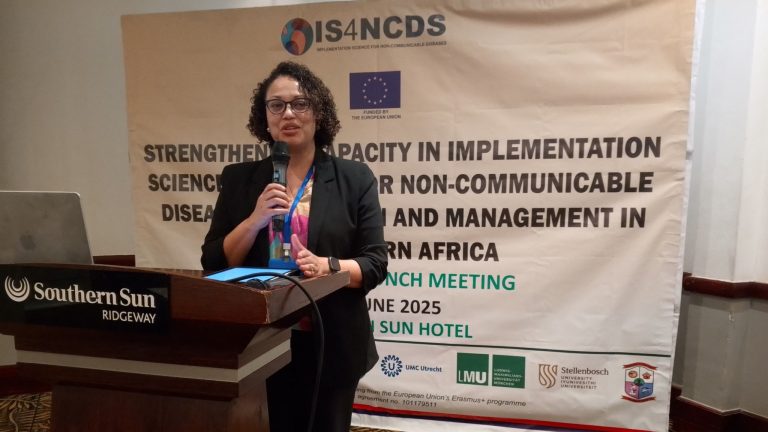
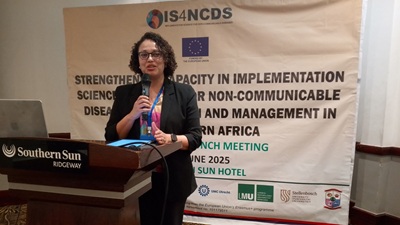
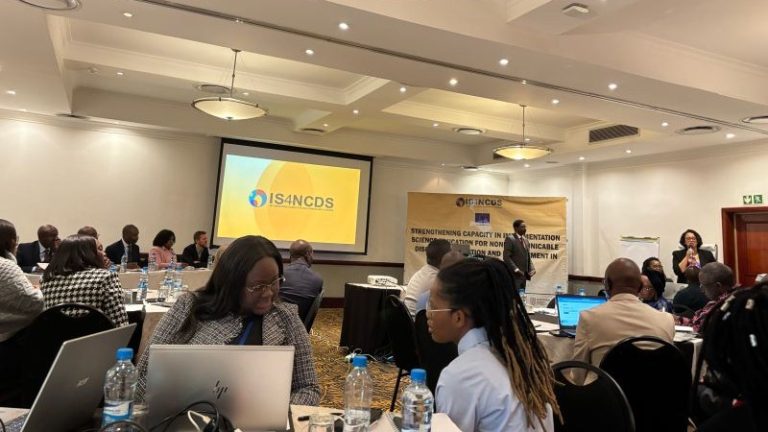
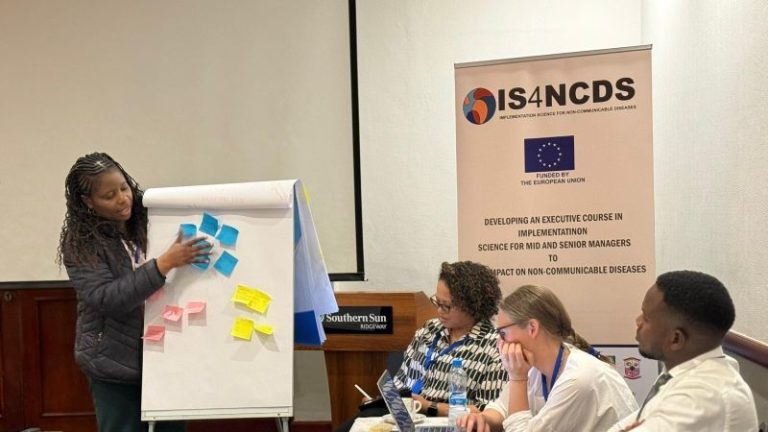
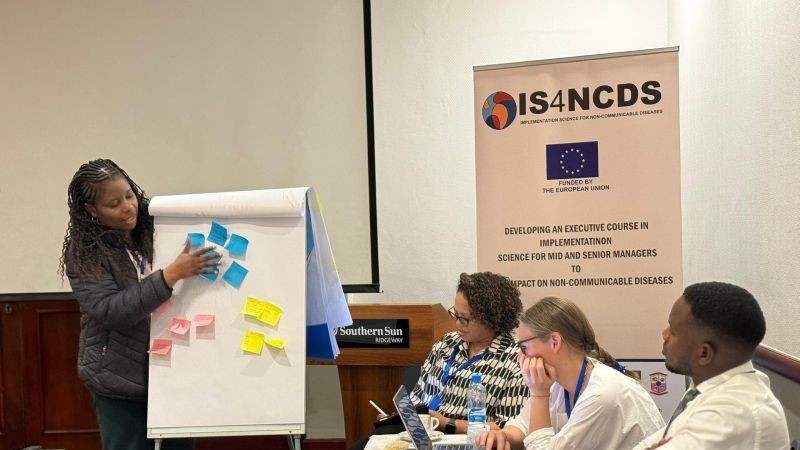
Day 2 at the IS4NCDs Consortium Meeting in Zambia marked an essential step forward in advancing collaborative efforts for non-communicable disease education and research. During this pivotal gathering, participants engaged in in-depth discussions and brainstorming sessions focused on the distinct aspects of their assigned Work Packages. These sessions provided a platform for critical reflection on how theoretical models and frameworks, commonly used in research, can be effectively adapted and transformed into actionable strategies within practical settings.

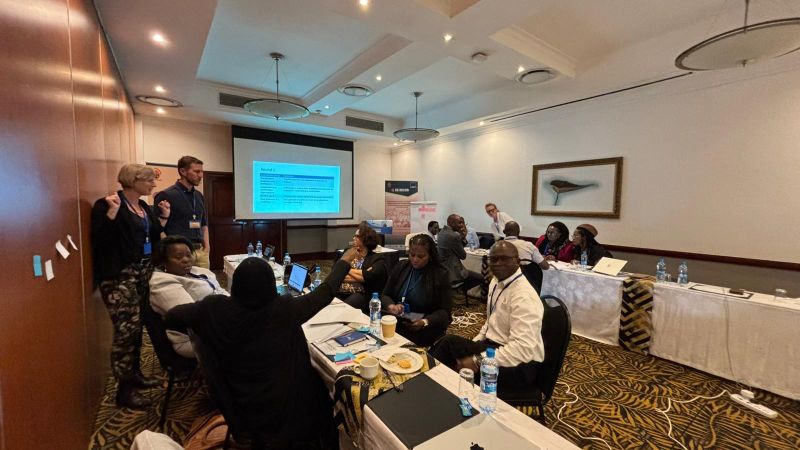
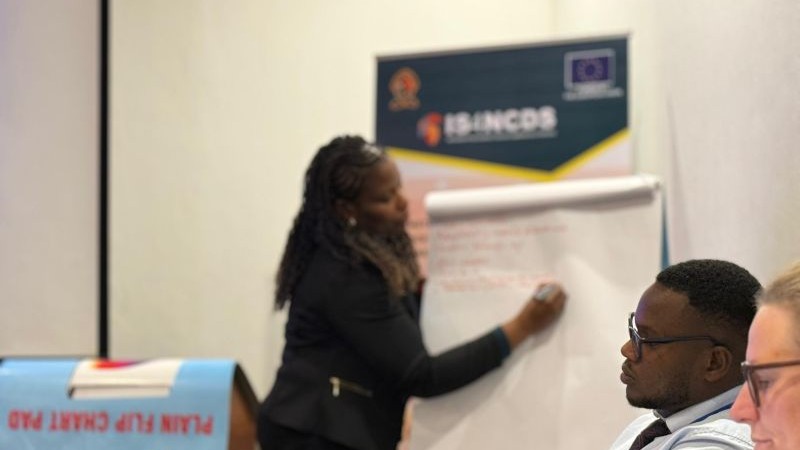
A key highlight of the day's activities was a group work session centered around Challenge-Based Learning. This innovative educational approach enabled attendees to actively engage with real-world problems related to NCDs, fostering a learning environment where participants not only investigated key challenges but also collaborated to implement practical solutions. The session epitomized the meeting's overarching goal: bridging the gap between research and practice by cultivating an interactive, problem-solving mindset among consortium members.

The IS4NCDs project has received funding from the European Union's Erasmus+ programme under Grant Agreement no. 101179511

The IS4NCDs project has received funding from the European Union's Erasmus+ programme under Grant Agreement no. 101179511
Stakeholder Engagement: Foundation of Implementation Science at IS4NCDS Consortium Meeting

Stakeholder Engagement: Foundation of Implementation Science at IS4NCDS Consortium Meeting

Day 1 of the first IS4NCDs Consortium Meeting

3 June 2025

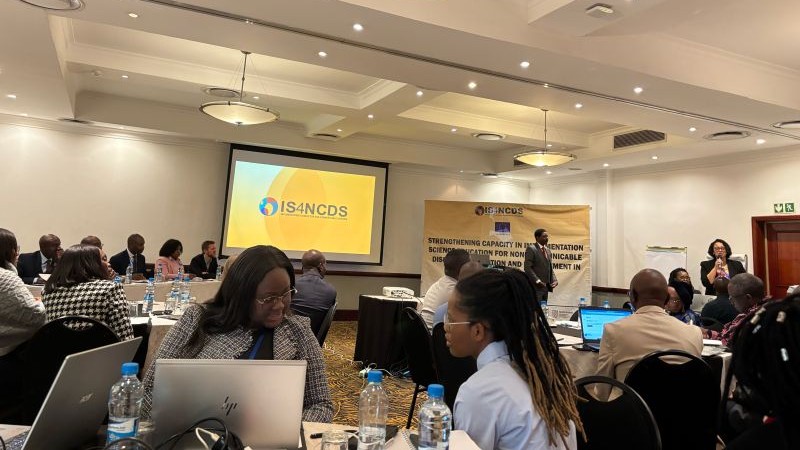
Day 1 of the IS4NCDS (Implementation Science for Non-Communicable Diseases) first annual consortium meeting underscored the critical role of stakeholder engagement in advancing implementation science. This foundational approach is pivotal for successful outcomes when developing curricula and interventions for non-communicable diseases at multiple governance levels.

Participants engaged in breakout group sessions focused on identifying and analyzing stakeholders relevant across international, regional, national, and local contexts. These exercises highlighted the complexity and diversity of stakeholders involved in the implementation ecosystem for health programs. Recognizing and mapping the influence, interests, and impact of these various stakeholders enable a strategic and effective engagement process.

Stakeholder engagement in implementation science goes beyond simple communication. It involves a collaborative, transparent, and two-way process where stakeholders are informed, consulted, and actively involved throughout the project cycle. Such engagement ensures that the initiatives are tailored to the realities and needs at multiple levels, increasing the likelihood of acceptance, sustainability, and success.

The IS4NCDS meeting provided a platform to practice and reinforce these principles through stakeholder analysis exercises, preparing consortium members to apply these insights directly to their work in non-communicable diseases. By focusing on key stakeholders from global agencies to local actors, the initiative aims to harness diverse perspectives and resources, facilitating broader and deeper impact in combating chronic diseases.

The IS4NCDs project has received funding from the European Union's Erasmus+ programme under Grant Agreement no. 101179511
The IS4NCDs project has received funding from the European Union's Erasmus+ programme under Grant Agreement no. 101179511
First Annual IS4NCDs Consortium Meeting Advances Curriculum Development for Non-Communicable Diseases

First Annual IS4NCDs Consortium Meeting Advances Curriculum Development for Non-Communicable Diseases

IS4NCDs Consortium Launch Meeting

2 June 2025

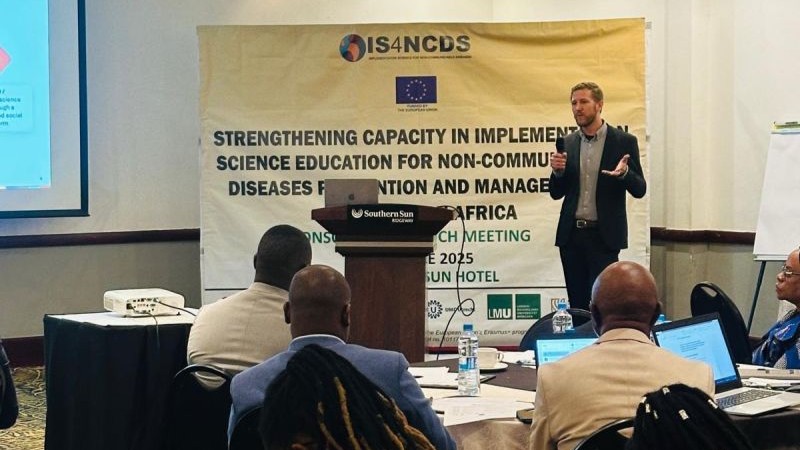
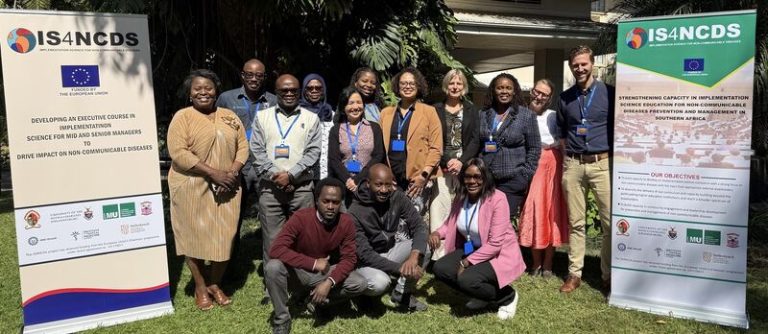
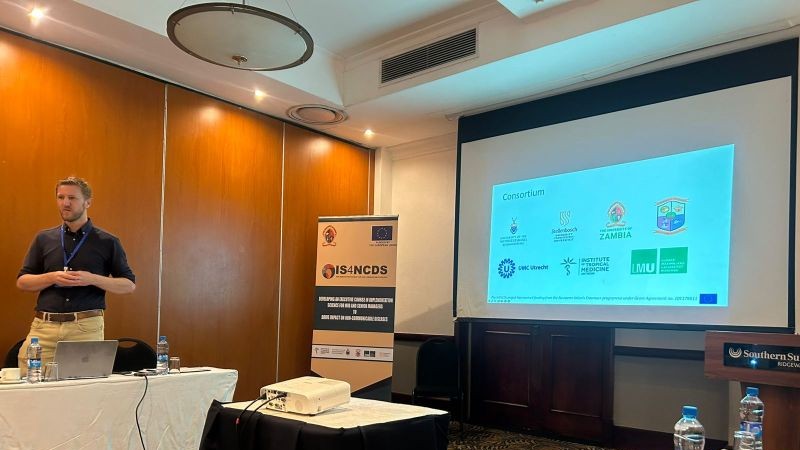
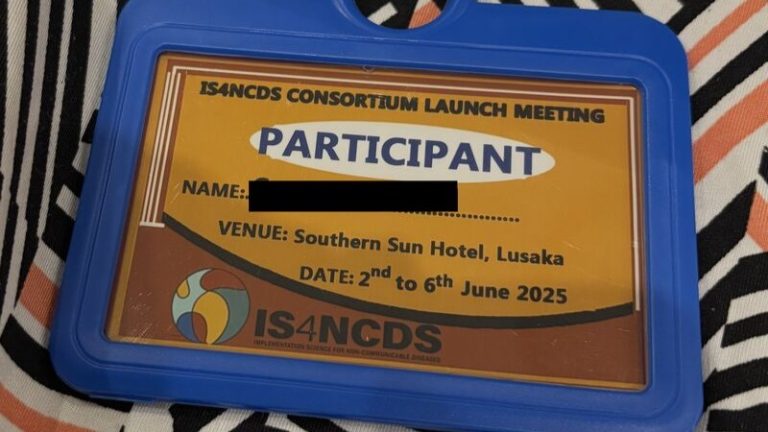
The first annual consortium meeting of the Implementation Science for Non-Communicable Diseases (IS4NCDs) Curriculum Development Project, is taking place in the first week of June 2025, in Lusaka. The event was hosted by The University of Zambia (UNZA) School of Public Health and marked a significant milestone in advancing education and research on non-communicable diseases (NCDs) across Africa.

The IS4NCDs consortium brings together a prestigious group of academic institutions, including The University of Zambia, Copperbelt University, University of the Witwatersrand, Stellenbosch University, Ludwig Maximillian University, and the Institute of Tropical Medicine Antwerp. The consortium is coordinated by UMC Utrecht, highlighting the collaborative and cross-continental nature of the initiative. This partnership aims to develop a cutting-edge curriculum in implementation science tailored to addressing the growing burden of NCDs.

Funded by the European Union’s Erasmus+ Programme, the project aligns with global efforts to strengthen health systems by improving knowledge and skills in implementing evidence-based interventions for non-communicable diseases. The consortium members gathered in Lusaka to share progress, discuss challenges, and strategize on next steps to ensure the curriculum is contextually relevant and impactful.

Key contributors to the meeting included notable experts such as Professor Choolwe Nkwemu-Jacobs, Professor Juliana Kagura, Dr. David Mulenga, Professor René English, Dr. Juliet Nyasulu (PhD), Dr. Lisa Pfadenhauer, Dr. Grace Marie V. Ku, MD, MPH, FPAFP, PhD, Professor Kerstin Klipstein-Grobusch, and Dr. Martin Heine. Their collective expertise spans public health, implementation science, and clinical practice, enriching the development process of the curriculum.

The event underscored the importance of international collaboration in tackling NCDs, which represent a major public health challenge globally. By harmonizing resources and knowledge from diverse institutions, the IS4NCDs project aims to equip health professionals with the skills needed to effectively bridge the gap between research and practice, ultimately improving health outcomes across participating countries.

This first meeting laid the groundwork for ongoing cooperation, curriculum refinement, and dissemination, with the consortium committed to sustaining momentum in the years ahead. The University of Zambia’s role as host reaffirmed its leadership in public health education and dedication to addressing critical health issues in the region.

The IS4NCDs project has received funding from the European Union's Erasmus+ programme under Grant Agreement no. 101179511
The IS4NCDs project has received funding from the European Union's Erasmus+ programme under Grant Agreement no. 101179511
IS4NCDs Project Takes Shape at Copperbelt University

IS4NCDs Project Takes Shape at Copperbelt University

IS4NCDs Project Preparation at Copperbelt University

29 May 2025

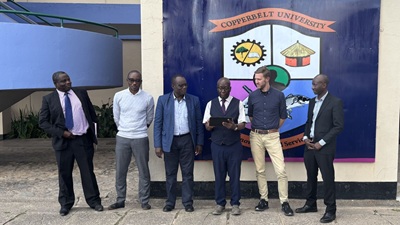
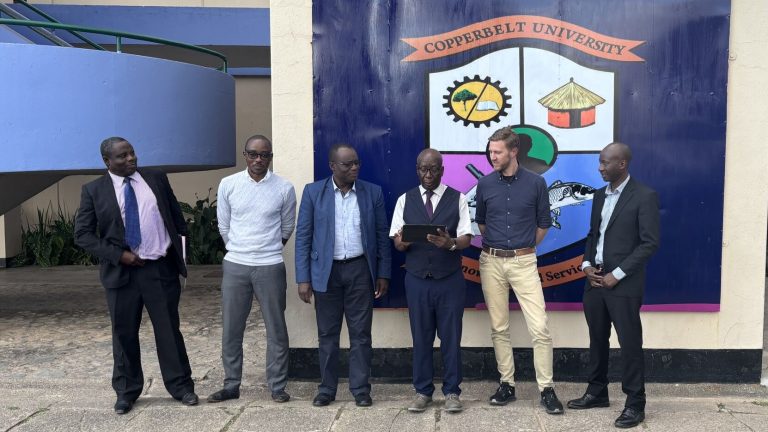
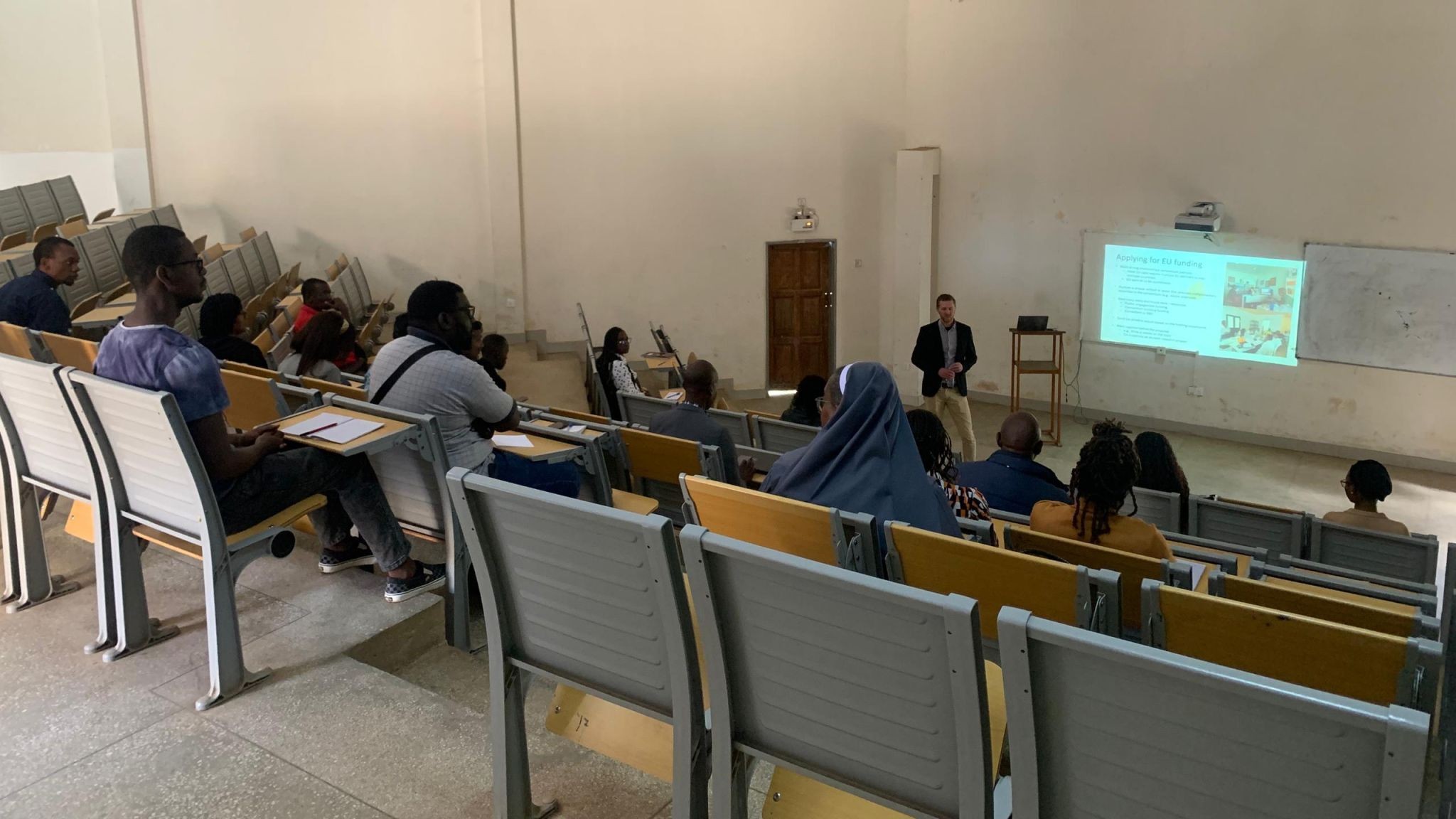
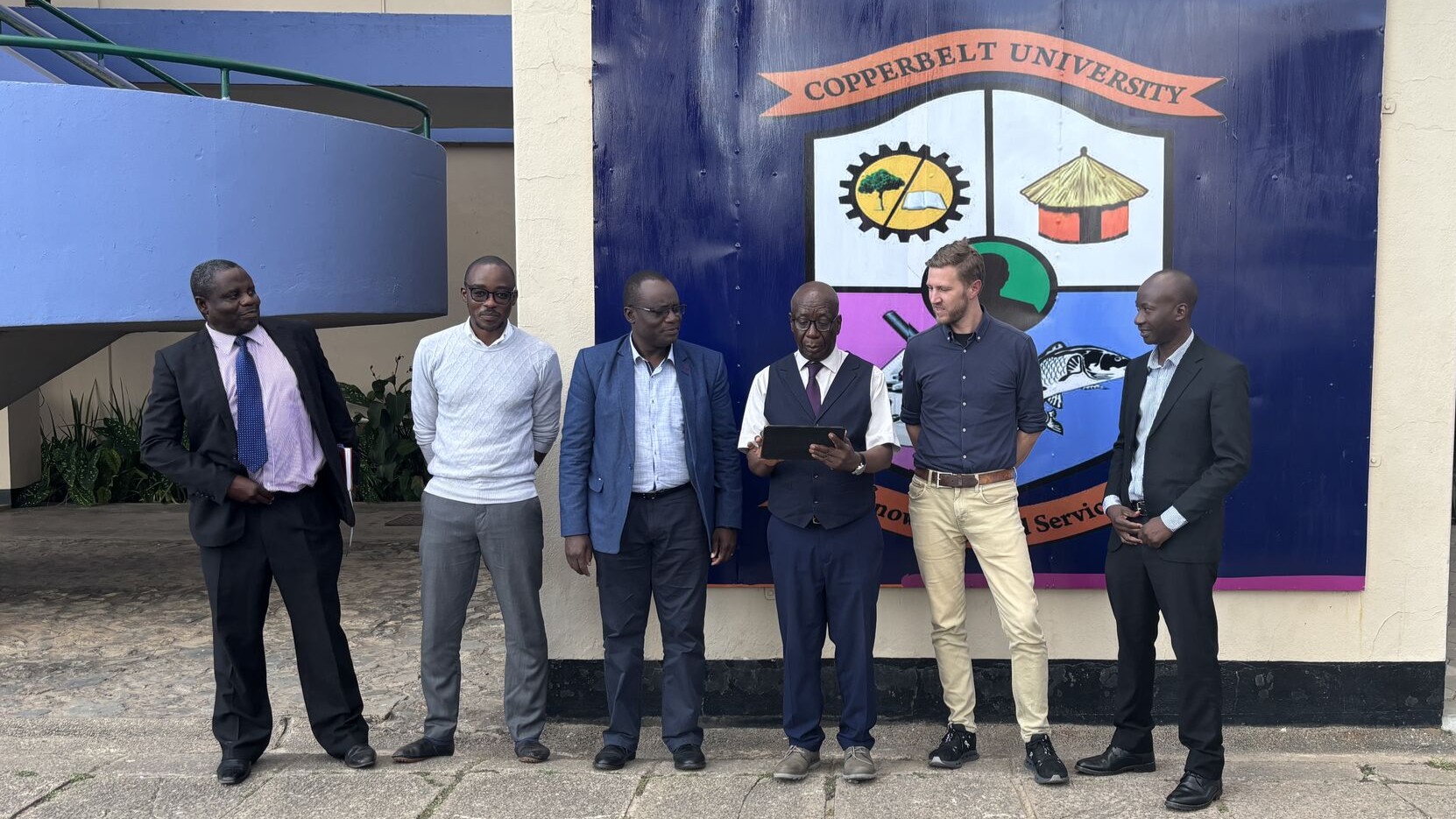
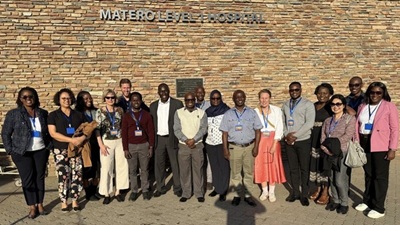
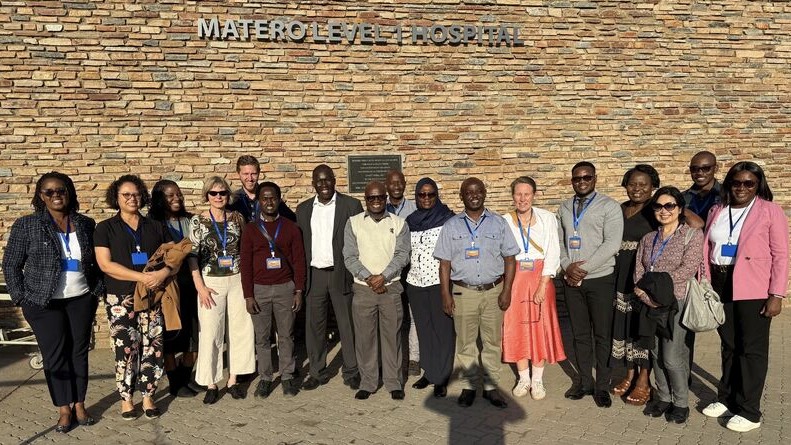
Over the past two days, significant preparations took place at Copperbelt University as part of the IS4NCDs project. The undertaking highlighted the university’s ambition and commitment to advancing training in implementation science, a critical field for addressing the growing challenge of non-communicable diseases (NCDs). Dr. Martin Heine led the initiative, bringing his expertise to support and strengthen the university’s endeavours.

Despite being a relatively young institution, Copperbelt University demonstrated a strong sense of buy-in and enthusiasm for equipping both current and future health professionals with the skills needed to effectively tackle the increasing burden of NCDs. This focus aligns well with broader efforts to strengthen healthcare systems and improve health outcomes through evidence-based implementation strategies.

Special thanks to Dr. Mwila Hilton Mwaba and Dr. David Mulenga, whose hospitality and support were instrumental in making the engagement productive and inspiring. Their leadership and dedication continue to play a vital role in advancing the goals of the IS4NCDs project at Copperbelt University.

The IS4NCDs project has received funding from the European Union's Erasmus+ programme under Grant Agreement no. 101179511

The IS4NCDs project has received funding from the European Union's Erasmus+ programme under Grant Agreement no. 101179511
World Health Day 2025: “Healthy Beginnings, Hopeful Futures”

World Health Day 2025: "Healthy Beginnings, Hopeful Futures"

World Health Day 2025

7 April 2025

Today, countries worldwide observe World Health Day 2025, focusing on the theme "Healthy Beginnings, Hopeful Futures." This year-long campaign highlights the critical importance of improving maternal and newborn health. It calls on governments and the global health community to redouble efforts to end preventable maternal and newborn deaths while prioritizing the long-term health and well-being of women.

Addressing maternal non-communicable diseases (NCDs) such as gestational diabetes, hypertension (including pre-eclampsia), and obesity during pregnancy is essential to reducing both immediate complications and long-term health risks for mothers and their children.

Early childhood nutrition, physical activity, and the surrounding environment also play a vital role in shaping lifelong health outcomes. Exposure to poor nutrition, tobacco, alcohol, or air pollution during early years increases the likelihood of developing NCDs like cardiovascular diseases, diabetes, and asthma later in life.

Preventing NCDs starts before birth. Healthy mothers contribute to healthier future generations. Ensuring healthy pregnancies is a foundational step in preventing chronic diseases. Early care, therefore, is an investment in long-term health.

The IS4NCDs project has received funding from the European Union's Erasmus+ programme under Grant Agreement no. 101179511
The IS4NCDs project has received funding from the European Union's Erasmus+ programme under Grant Agreement no. 101179511
IS4NCDs Project Launch and Webinar

IS4NCDs Project Launch and Webinar

IS4NCDs Project Launch and Webinar

7 February 2025

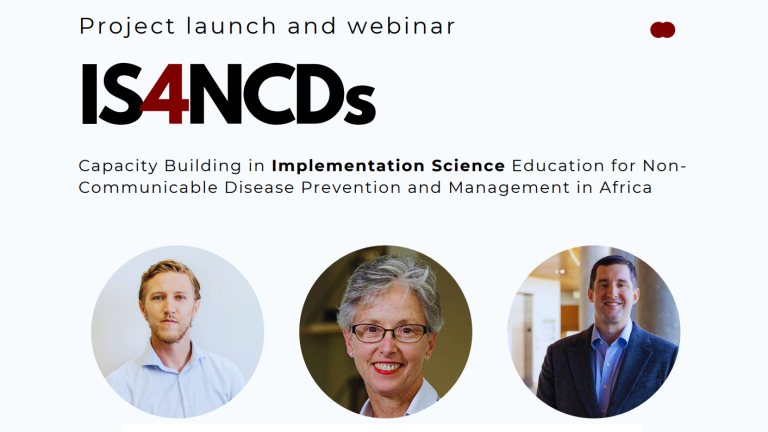
Yesterday, 6 February 2025, the IS4NCDs project — focused on Capacity Building in Implementation Science Education for Non-Communicable Disease Prevention and Management in Africa — was launched during its first webinar. The session featured three expert speakers.

Dr. Martin Heine, IS4NCDs Principal Investigator, UMCU (NL), introduced the project and the team, and provided an overview of implementation science, followed by a concise presentation of the various modules offered in the IS4NCDs training program.

Professor Byron Powell, of WashU Brown School’s Center for Dissemination and Implementation Science (USA) discussed Implementation Science in 2030: from puberty to maturity, offering insightful perspectives on the field’s future.

Professor Susan van Schalkwyk, Professor Emeritus in Health Professions Education, Department of Health Professions Education, Stellenbosch University (ZA), highlighted the importance of integrating practical community experiences into academic learning through her presentation Bringing real-world challenges into the class room - community engaged learning for impact.

The project launch was attended virtually by over 40 participants.

The IS4NCDs project has received funding from the European Union's Erasmus+ programme under Grant Agreement no. 101179511
The IS4NCDs project has received funding from the European Union's Erasmus+ programme under Grant Agreement no. 101179511
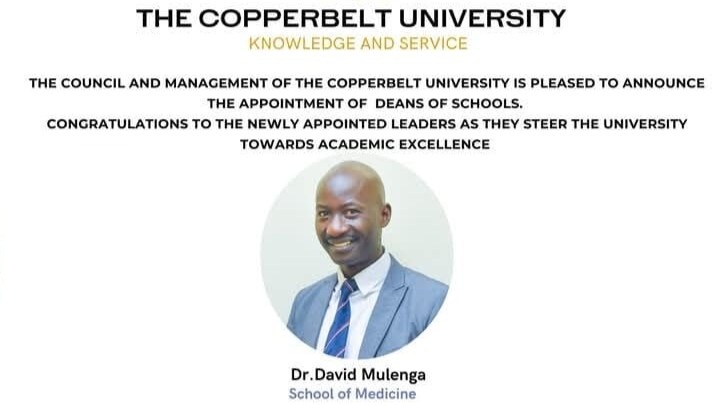
Congratulations to Dr. David Mulenga on His Promotion to Dean of the School of Medicine at Copperbelt University!

Congratulations to Dr. David Mulenga on His Promotion to Dean of the School of Medicine at Copperbelt University!

Dr. David Mulenga, Dean of the School of Medicine, Copperbelt University

29 January 2025

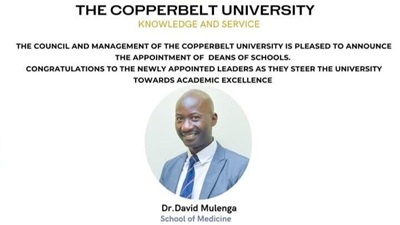
We are thrilled to announce that our Copperbelt University colleague, Dr. David Mulenga, has been promoted to the prestigious role of Dean for the School of Medicine! Join us in congratulating Dr. Mulenga as he takes on this significant leadership position.

This promotion is a recognition of Dr. Mulenga’s exceptional dedication and expertise. We look forward to Dr. Mulenga’s continued contributions to health education, research, and implementation science!

The IS4NCDs project has received funding from the European Union's Erasmus+ programme under Grant Agreement no. 101179511
The IS4NCDs project has received funding from the European Union's Erasmus+ programme under Grant Agreement no. 101179511
Kick-off: IS4NCDs Project Holds First Official Consortium Meeting

Kick-off: IS4NCDs Project Holds First Official Consortium Meeting

Consortium Kick-off Meeting

28 January 2025

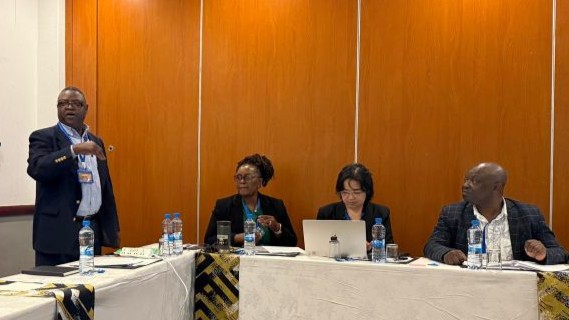
The IS4NCDs project marked a significant milestone with the successful convening of its first official consortium meeting yesterday. Bringing together leading experts and stakeholders from various disciplines, the meeting laid the foundation for a collaborative effort aimed at tackling non-communicable diseases (NCDs) through innovative and integrative solutions.

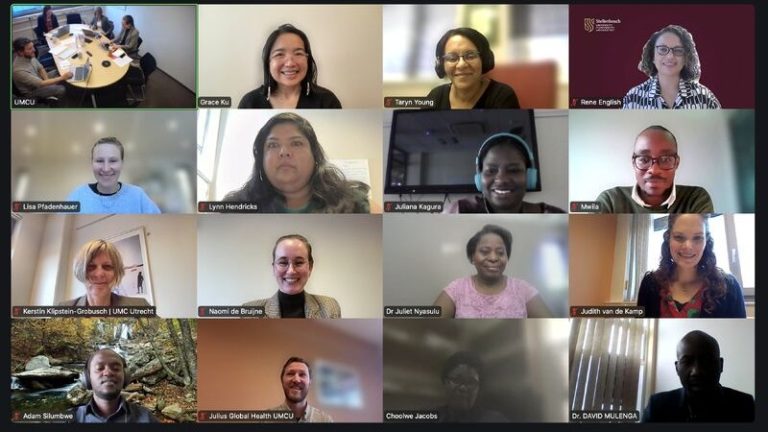
Key participants included Martin Heine, Kerstin Klipstein-Grobusch, MSc MSc PhD, Naomi de Bruijne, MSc., Judith van de Kamp, David Mulenga, Choolwe Nkwemu Jacobs, Adam Silumbwe, PhD, Juliet Nyasulu, PhD, Mwila Hilton Mwaba, Juliana Kagura, Rene English, Lynn Hendricks, PhD, Dr. Lisa Pfadenhauer, Taryn Young, and Grace Marie V. Ku, MD, MPH, FPAFP, PhD.

During the meeting, the consortium members discussed the project’s objectives, research methodologies, and anticipated impact on addressing NCDs globally. Emphasis was placed on interdisciplinary collaboration, capacity building, and community engagement to ensure effective implementation and sustainability of outcomes.

The consortium’s kickoff signals a promising start to the IS4NCDs initiative, aiming to innovate healthcare delivery and policy frameworks to better prevent, manage, and treat non-communicable diseases worldwide. Team members expressed their commitment to advancing the project’s goals through shared expertise and coordinated efforts.

The IS4NCDs project looks forward to a productive and impactful collaboration as it moves into its next phases of research and implementation.

The IS4NCDs project has received funding from the European Union's Erasmus+ programme under Grant Agreement no. 101179511
The IS4NCDs project has received funding from the European Union's Erasmus+ programme under Grant Agreement no. 101179511
New Project Launch Aims to Strengthen Implementation Science Education for Non-Communicable Diseases Across Africa

New Project Launch Aims to Strengthen Implementation Science Education for Non-Communicable Diseases Across Africa

Project Launch

16 January 2025

On Thursday, February 6, 2025, stakeholders in global health and education will come together for the exciting launch of the IS4NCDs project—an innovative initiative focused on building capacity in implementation science education to better address the growing challenge of non-communicable diseases (NCDs) in Africa.

The online event, scheduled from 2:00 PM to 4:00 PM CET (3:00 PM to 5:00 PM SAST), promises an engaging program featuring leading experts from across the globe. Dr. Martin Heine of Global Health UMC Utrecht will officially introduce the IS4NCDs project, which seeks to equip the current and future health workforce with the skills needed to effectively translate research into practice for NCD prevention and management.

Professor Byron Powell from Washington University in St. Louis will share his vision for the future of implementation science, highlighting emerging trends and opportunities in this transformative field. Additionally, Professor Susan van Schalkwyk of Stellenbosch University will discuss the vital importance of community-engaged learning methodologies in teaching implementation science, emphasizing how collaborative approaches can increase impact.

The discussion will be chaired by Professor Wilbroad Mutale from The University of Zambia, who will guide conversations around collaboration, innovation, and sustainable education models to combat NCDs across African settings.

As NCDs continue to pose a significant health and economic burden on African populations, this project represents a critical step toward empowering health professionals with the expertise needed to implement scalable solutions. Interested participants are invited to register online to join this pivotal event and contribute to shaping the future of health education in Africa.

This launch marks an important milestone in the fight against NCDs by advancing implementation science capacity tailored to the unique challenges faced by African communities.

The IS4NCDs project has received funding from the European Union's Erasmus+ programme under Grant Agreement no. 101179511
The IS4NCDs project has received funding from the European Union's Erasmus+ programme under Grant Agreement no. 101179511
IS4NCDs Set to Tackle Non-Communicable Diseases Through Education and Research

IS4NCDs Set to Tackle Non-Communicable Diseases Through Education and Research

IS4NCDs

2 January 2025

A significant collaboration has emerged to combat the growing burden of non-communicable diseases (NCDs) in Africa with the launch of the IS4NCDs project (Capacity Building in Implementation Science Education for Non-Communicable Disease Prevention and Management in Africa). This visionary initiative unites leading higher education institutions across South Africa, Zambia, and Europe to develop skilled health, education, and research teams specialised in implementation science addressing NCDs.

The project brings together the University of the Witwatersrand and Stellenbosch University in South Africa; the University of Zambia and Copperbelt University in Zambia; and European partners including UMC Utrecht, Ludwig Maximilian University of Munich, and the Institute of Tropical Medicine Antwerp.

IS4NCDs aims to build postgraduate programmes that equip current and future health professionals with the competencies needed to translate policy into effective, context-specific health interventions against diseases like cardiovascular conditions, diabetes, and cancer—conditions increasingly prevalent in African communities.

This collaborative effort reflects a shared mission to strengthen capacity and foster innovation in health systems, ultimately improving prevention and management of NCDs where they are most needed. The launch marks a hopeful step towards sustainable health improvements in Africa through education, research, and international partnership.

Key figures driving this project include experts such as Martin Heine, Juliana Kagura, and Grace Marie V. Ku, alongside many others dedicated to advancing implementation science for better public health outcomes.

The IS4NCDs initiative is supported by the European Union’s Erasmus+ programme, highlighting the importance of global cooperation in addressing health challenges of the 21st century.

The IS4NCDs project has received funding from the European Union's Erasmus+ programme under Grant Agreement no. 101179511
The IS4NCDs project has received funding from the European Union's Erasmus+ programme under Grant Agreement no. 101179511
IS4NCDs Project Receives Funding from the European Union’s Erasmus+ Programme

IS4NCDs Project Receives Funding from the European Union’s Erasmus+ Programme

Erasmus+

14 November 2024

IS4NCDs, a groundbreaking project aimed at tackling the growing burden of non-communicable diseases (NCDs) in Africa, has received funding from the European Union’s Erasmus+ programme!

The Capacity Building in Implementation Science Education for Non-Communicable Disease Prevention and Management in Africa project is a collaboration between HEIs in South Africa (University of the Witwatersrand and Stellenbosch University), Zambia (University of Zambia and Copperbelt University), and Europe (Utrecht University Medical Center, Ludwig Maximilian University Munich, and the Institute of Tropical Medicine).

The IS4NCDs project has received funding from the European Union's Erasmus+ programme under Grant Agreement no. 101179511
The IS4NCDs project has received funding from the European Union's Erasmus+ programme under Grant Agreement no. 101179511