
Preparing for the Fourth UN High-Level Meeting: Key WHO Financing Insights on NCDs and Mental Health

23 September 2025
The Fourth United Nations General Assembly High-Level Meeting (HLM4) on the 25th of September 2025 represents a pivotal moment for global leaders to renew commitments toward enhancing and expanding financing for noncommunicable diseases (NCDs) and mental health. Sustainable financing strategies must integrate targeted interventions with broader health system reforms, emphasising equitable access and multisectoral cooperation. Achieving progress toward universal health coverage means ensuring affordable, high-quality care for these conditions—an essential step toward a healthier and more equitable future for all.
Building on this, the World Health Organization (WHO) has released insightful guidance on financing NCDs and mental health ahead of HLM4. These insights spotlight the economic and health benefits of investing in cost-effective interventions, the urgent need for increased domestic funding, innovative revenue mechanisms, and the importance of bridging treatment gaps.
Investment Case for Noncommunicable Diseases and Mental Health
WHO underscores that investing in NCD and mental health interventions is not only vital for health but makes strong economic sense. An additional investment of just $3 per person annually in NCD prevention and management could generate up to $1 trillion in economic returns by 2030 globally. Furthermore, every $1 invested in evidence-based NCD policies can yield as much as $7 in returns through productivity gains, reduced health care costs, and other economic benefits.
Increased Domestic and Strategic Spending
Despite the growing burden of NCDs and mental health disorders, funding for these conditions constitutes a small fraction of health budgets, particularly in low- and middle-income countries. WHO calls for substantial increases in public domestic financing directed at equitable access and prioritisation of primary health care-based services. This requires strategic allocation of resources toward interventions proven to be cost-effective and targeted to reach underserved populations equitably.
Innovative Financing Mechanisms
WHO advocates for innovative financing approaches beyond traditional government budgets to close persistent financial gaps. Health taxes on products such as tobacco, alcohol, and sugar-sweetened beverages have triple benefits: discouraging harmful consumption, generating revenue for health services, and supporting poorer households by reducing spending on these products. Additionally, international development assistance remains crucial to catalyse national actions and help overcome barriers to implementation.
Multisectoral Governance and Action
Addressing NCDs and mental health effectively requires multisectoral collaboration across health, finance, education, agriculture, transport, and other sectors. WHO recommends institutionalising governance frameworks with clear roles and accountability mechanisms to develop, implement, and monitor coherent NCD and mental health policies that reduce risks and promote healthy environments.
Strengthening Health Systems
WHO highlights a pressing need to strengthen health systems by adopting more flexible public financial management, moving away from rigid budget structures, and prioritising integrated care models. Improved data governance and digital tools can facilitate cross-sector coordination, while financial protection mechanisms can shield individuals from catastrophic health expenses related to chronic conditions.
Addressing Mental Health Treatment Gaps
Mental, neurological, and substance use conditions are a major and growing source of global disease burden, but a large majority of affected individuals receive no treatment. WHO emphasises the need for equitable financing of mental health services supported by legal and policy reforms, sustained workforce investment, and expanded community-based care. The WHO Special Initiative for Mental Health represents a major effort to scale up services universally in community settings, particularly within primary and secondary health care frameworks.
Input from IS4NCDs Consortium Member
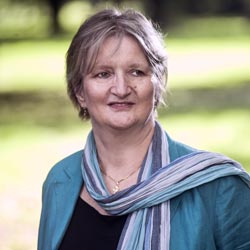
Adding to the global dialogue, Dr Grace Marie V. Ku, a Public Health Expert, Family and Community Medicine Physician-Specialist, Health Researcher and Academic, currently with the Institute of Tropical Medicine Antwerp and a consortium member of the IS4NCDs project, shared her perspectives as a discussant in the fifth and final webinar hosted by the World Bank and WHO on financing NCDs and mental health, which was held on the 18th of September 2025. She emphasised that the concept of integrated care should extend far beyond the common interpretation of collaboration among healthcare professionals. Dr Ku advocates for integration that includes care delivered at home by the individual or their primary carer, addressing the biomedical, psychological, and social dimensions of the person for true person-centred care. She outlined a comprehensive vision wherein integration encompasses promotion and prevention throughout the life course, timely risk identification, immediate connection to care, sustained patient retention and self-management support, early complication management, rehabilitation, end-of-life care, and support for informal carers. Furthermore, Dr Ku stressed that integration must also cover services beyond direct patient care, including access to quality medicines, seamless health information systems, and community-based promotive and preventive services. Importantly, she called for multisectoral engagement beyond the health sector to tackle the underlying determinants of NCDs. Her insights underscore a broad and ambitious approach to integration as central to advancing NCD care and prevention at the global level.
Looking Ahead to HLM4
The 2025 Fourth UN High-Level Meeting offers a critical opportunity for governments to review progress, strengthen financial commitments, and adopt ambitious policies for the prevention and control of NCDs and promotion of mental health and well-being. Strong, sustained financing mechanisms paired with equitable, multisectoral governance and robust health systems will be key to advancing towards the Sustainable Development Goals related to health and well-being by 2030.


The IS4NCDs project has received funding from the European Union's Erasmus+ programme under Grant Agreement no. 101179511
The IS4NCDs project has received funding from the European Union's Erasmus+ programme under Grant Agreement no. 101179511