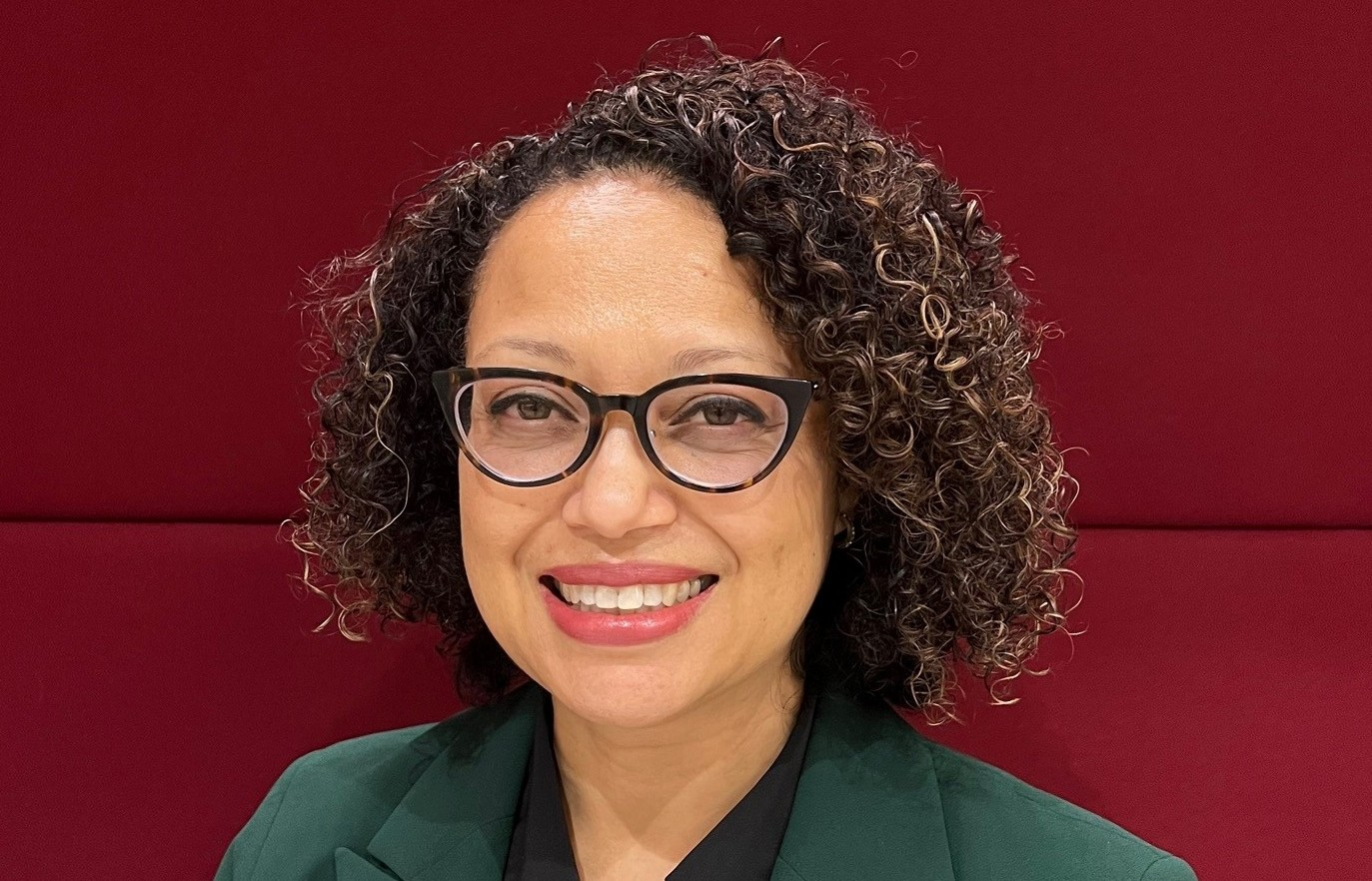


Professor Tobias Chirwa

Professor Tobias Chirwa
Head of the School of Public Health of the University of the Witwatersrand (Wits), Programme Director for the Sub-Saharan Africa Consortium for Advanced Biostatistics (SSACAB)

Professor Tobias Chirwa

Head of the School of Public Health of the University of the Witwatersrand (Wits), Programme Director for the Sub-Saharan Africa Consortium for Advanced Biostatistics (SSACAB)

Professor Tobias Chirwa heads the School of Public Health of the University of the Witwatersrand (Wits), South Africa. He is the Programme Director for the Sub-Saharan Africa Consortium for Advanced Biostatistics (SSACAB) and co-leads the Wits-University of North Carolina (UNC) partnership on expanding capacity in HIV Implementation Science in South Africa, together with the WHO/TDR Implementation Research. Prior to this, he was a Research Fellow in Medical Statistics at London School of Hygiene and Tropical Medicine (LSHTM).

He has contributed towards curriculum development and capacity building in implementation science, epidemiology and biostatistics in Malawi and South Africa, and across the SSA region. His research has revolved around STIs and HIV, maternal and newborn health. He continues to work on HIV, tuberculosis diagnosis, treatment adherence and post-treatment survival, child health and more recently malaria transmission. His statistical interest is in longitudinal and survival data analysis. He has co-authored more than 100 peer-reviewed journal articles.

The IS4NCDs project has received funding from the European Union's Erasmus+ programme under Grant Agreement no. 101179511

The IS4NCDs project has received funding from the European Union's Erasmus+ programme under Grant Agreement no. 101179511
Dr. Mwila Hilton Mwaba

Dr. Mwila Hilton Mwaba
Lecturer at Copperbelt University with a background in Pharmaceutical Sciences, Immunology, Molecular Biology, and Virology

Dr. Mwila Hilton Mwaba

Lecturer at Copperbelt University with a background in Pharmaceutical Sciences, Immunology, Molecular Biology, and Virology

Dr. Mwila Hilton Mwaba is a Lecturer at Copperbelt University with a background in pharmaceutical sciences, immunology, molecular biology, and virology. He holds a master’s and doctoral degree in Pharmaceutical Sciences and has experience as a researcher, research coordinator, and team lead working on both communicable and non-communicable diseases (NCDs). Dr. Mwaba has experience in curriculum development, training health professionals, and coordinating a doctoral program in public health. His research skills and data analysis experience are relevant to the IS4NCDs project's focus on implementation science and evidence-based interventions. Dr. Mwaba's collaborative experience on international research projects will be valuable for the consortium's multi-partner structure, and his passion for improving health outcomes, particularly for vulnerable populations in Zambia, aligns with the project's aim to address the region's growing burden NCDs.

The IS4NCDs project has received funding from the European Union's Erasmus+ programme under Grant Agreement no. 101179511

The IS4NCDs project has received funding from the European Union's Erasmus+ programme under Grant Agreement no. 101179511
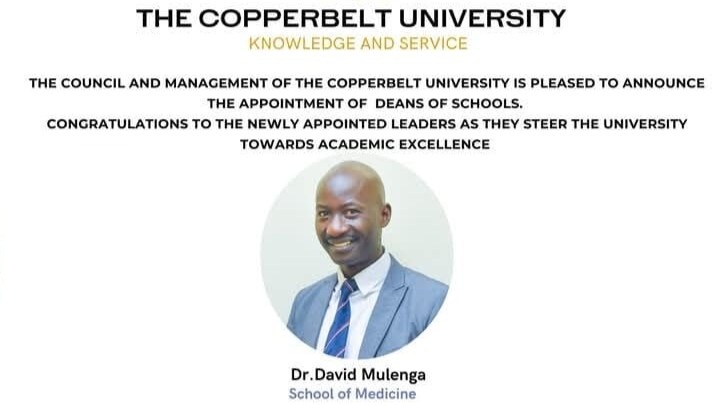
David Mulenga

David Mulenga
Co-Investigator for the IS4NCDs Project
Dean of the Medical School at the Copperbelt University

David Mulenga

Co-Investigator for the IS4NCDs Project
Dean of the Medical School at the Copperbelt University

David Mulenga is a Co-Investigator for the IS4NCDs project — focused on strengthening implementation science education and institutional capacity for non-communicable disease (NCD) care in Africa. He is a registered public health specialist, senior lecturer and Dean of the Medical School at the Copperbelt University, in Ndola, Zambia. He holds a BSc in Biological Sciences, a Master of Public Health (MPH), and a DSc. in Public Health. His research focuses on Non Communicable Diseases and Environmental threats, with particular interest in indoor and ambient air pollution. David has been a research fellow at the Centre of Environmental and Respiratory Health (CERH) at University of Oulu in Finland and a visiting Fulbright Scholar at Oregon States University in the USA leading to the publication of a textbook “Understanding Public Health in Africa: Cases and Issues”. In addition to his research, David is passionate about teaching and community engagement. He was involved in setting up a community based education program for medical students to appreciate determinants of health in rural and urban communities.

The IS4NCDs project has received funding from the European Union's Erasmus+ programme under Grant Agreement no. 101179511
The IS4NCDs project has received funding from the European Union's Erasmus+ programme under Grant Agreement no. 101179511
Josephine Nkhowani

Josephine Nkhowani
Research Associate with the University of Zambia, Project Coordinator for the IS4NCDs Consortium at the University of Zambia

Josephine Nkhowani

Research Associate with the University of Zambia, Project Coordinator for the IS4NCDs Consortium at the University of Zambia

Josephine Nkhowani, is a Research Associate with the University of Zambia. She also serves as Project Coordinator for the IS4NCDs Consortium at the University of Zambia and supports the Countdown to 2030 initiative in partnership with the Ministry of Health as a research fellow. She holds a Master of Science in Epidemiology, a Bachelor of Science in Public Health, and a Postgraduate Diploma in Teaching Methodology. She has also completed several professional certifications in project management, data analysis (SPSS), and research methodologies.

Her work is rooted in the intersection of gender, health equity, and implementation science, with a strong emphasis on applying mixed methods to inform policy and practice. She has coordinated studies on adolescent sexual and reproductive health, harmful gender norms, and workplace harassment and violence in the health systems among frontline healthcare workers applying tools such as Dedoose and SPSS/Stata for qualitative and quantitative data analysis.

In her various roles, she contributes to grant writing, research design and stakeholder engagements. Notably, she has supported projects funded by international partners such as CDC Atlanta and has contributed to dissemination efforts that translate research findings into actionable insights. Beyond research, she is passionate about capacity building and evidence-informed development.

The IS4NCDs project has received funding from the European Union's Erasmus+ programme under Grant Agreement no. 101179511
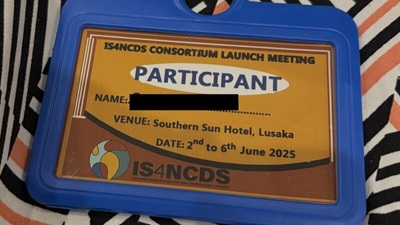

The IS4NCDs project has received funding from the European Union's Erasmus+ programme under Grant Agreement no. 101179511
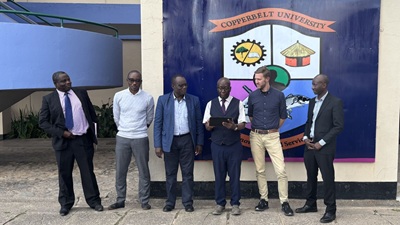
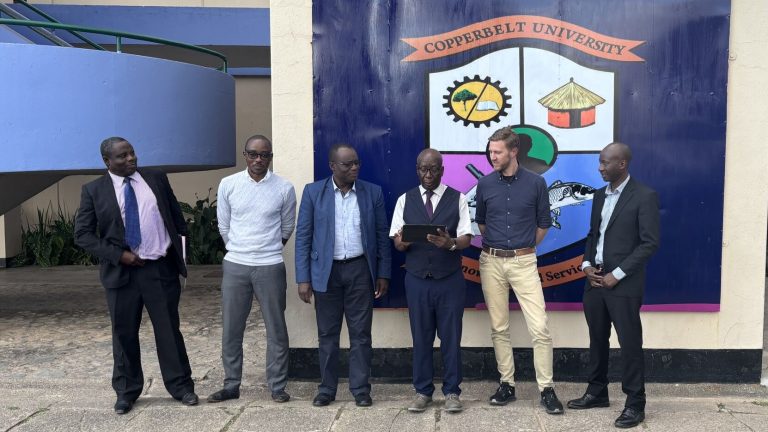
Dr. Adam Silumbwe

Dr. Adam Silumbwe
Lecturer and Researcher in the Department of Health Policy and Management, School of Public Health, University of Zambia (UNZA)

Dr. Adam Silumbwe

Lecturer and Researcher in the Department of Health Policy and Management, School of Public Health, University of Zambia (UNZA)

Dr. Adam Silumbwe is lecturer and researcher in the Department of Health Policy and Management, School of Public Health, University of Zambia (UNZA), with five years’ experience in training post and undergraduate students in health policy, systems, and implementation research. Dr. Silumbwe was a recipient of the inaugural WHO-TDR MPH training in implementation research between 2016-2018 at the UNZA, and after graduation, he has continued to coordinate and supervise implementation research projects among students in his department. He completed his PhD in Public Health in 2025, at the Department of Epidemiology and Global Health, Umeå University, Sweden. His PhD focused on exploring the systems context and the collaborative dynamics in the tobacco control policy development and alcohol policy implementation in Zambia. Further, Dr. Silumbwe has been coordinating two NIH funded projects that seek to strengthen research on NCD risk factors as well as trauma and injuries in Zambia.

The IS4NCDs project has received funding from the European Union's Erasmus+ programme under Grant Agreement no. 101179511


The IS4NCDs project has received funding from the European Union's Erasmus+ programme under Grant Agreement no. 101179511
Professor Choolwe Nkwemu-Jacobs

Professor Choolwe Nkwemu-Jacobs
Co-Investigator for the IS4NCDS Project
Associate Professor and Head of the Epidemiology and Biostatistics Department, School of Public Health, University of Zambia. Country Director and Co-Founder for Women in Global Health Zambia

Professor Choolwe Nkwemu-Jacobs

Co-Investigator for the IS4NCDS Project
Associate Professor and Head of the Epidemiology and Biostatistics Department, School of Public Health, University of Zambia. Country Director and Co-Founder for Women in Global Health Zambia

Choolwe Nkwemu-Jacobs, PhD, is a Global Health expert and Epidemiologist with extensive experience in research and academia. She currently serves as as Associate Professor and Head of the Department of Epidemiology and Biostatistics at the University of Zambia and is the Co-founder of Women in Global Health Zambia. Choolwe is committed to advancing equitable health outcomes and improving access to healthcare services through the application of robust epidemiological methods, mixed methodologies, and implementation science. Her research work span a range of critical public health issues, including women’s health, gender equity, newborn and adolescent health, non-communicable diseases (NCDs), HIV/AIDS, and the health workforce.
She is the Principal Investigator at the University of Zambia for IS4NCDs, an Erasmus+-funded collaborative project focused on strengthening implementation science education and institutional capacity for NCD care. In addition, she leads Zambia's Countdown to 2030 country collaboration, which tracks progress on Reproductive, Maternal, Newborn, Child, and Adolescent Health and Nutrition (RMNCAH-N) indicators, as well as gender-related metrics. She also leads the evaluation of the implementation of the Reaching Every Community/Reaching Every District (REC/RED) strategy within Zambia’s integrated Primary Health Care framework. Choolwe received her education from the University of Zambia, the University of Otago (New Zealand), the University of KwaZulu-Natal (South Africa), and Johns Hopkins University (USA). She is also a faculty fellow at Washington University and an alumna of Harvard University and Vanderbilt University.

The IS4NCDs project has received funding from the European Union's Erasmus+ programme under Grant Agreement no. 101179511
The IS4NCDs project has received funding from the European Union's Erasmus+ programme under Grant Agreement no. 101179511
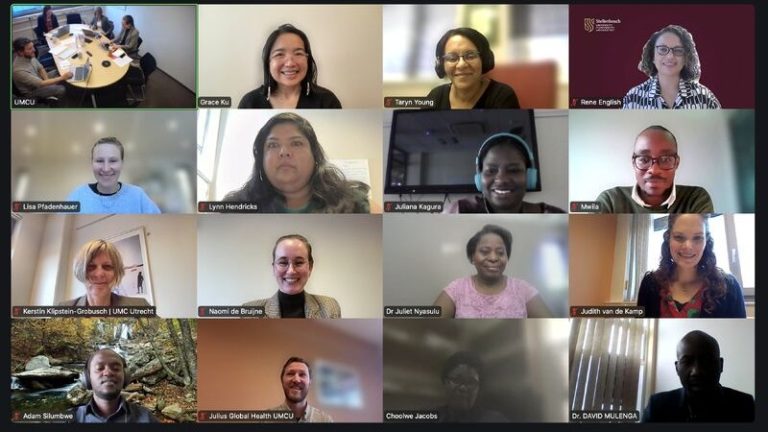
Dr. Juliet Nyasulu

Dr. Juliet Nyasulu
Health System-Strengthening Technical Expert, Senior Lecturer in the Division of Health Systems and Public Health, Department of Global Health, Stellenbosch University

Dr. Juliet Nyasulu

Health System-Strengthening Technical Expert, Senior Lecturer in the Division of Health Systems and Public Health, Department of Global Health, Stellenbosch University

Dr. Juliet Nyasulu is a Health system-strengthening technical expert with over 25 years’ experience working the African health systems including in South Africa, Malawi, Mozambique, and sub-Saharan Africa. She has a PHD in Public health with focus on health systems strengthening through quality assurance. Her research passion is around access to basic and essential health services and at present she is a principal investigator on three research projects around HIV access during 95-95-95 strategy implementation, Maintaining Maternal and Child Health essential services during the COVID-19 Pandemic and trends in immunization coverage with support from Medical research Council (MRC) and National Research Fund (NRF) funding institutions. She also leads an HIV/AIDS and Sexual reproductive health youth project in Northern Malawi in collaboration with national based academic and implementing partners. She also collaborates with Malawi based institutions and organisations to strengthen implementation of Public health programs with focus on youths and women. Through this collaboration, she is currently a co-PI with YONECO Malawi on a University based Violence against women prevention and mitigation project funded by UNWomen. Dr Nyasulu is a Senior Lecturer in the Division of Health Systems and Public Health, Department of Global Health, Stellenbosch University, and she has served as a National Certification Committee (NCC) Chair for South Africa for 7 years and currently an expert committee member, overseeing the polio eradication initiatives for the country.

The IS4NCDs project has received funding from the European Union's Erasmus+ programme under Grant Agreement no. 101179511

The IS4NCDs project has received funding from the European Union's Erasmus+ programme under Grant Agreement no. 101179511

Professor René English

Professor René English
Co-Investigator for the IS4NCDS Project
Medical Doctor and Public Health Medicine Specialist, Head of the Health Systems and Public Health Division in the Department of Global Health in the Faculty of Medicine and Health Sciences at Stellenbosch University

Professor René English

Co-Investigator for the IS4NCDS Project
Medical Doctor and Public Health Medicine Specialist, Head of the Health Systems and Public Health Division in the Department of Global Health in the Faculty of Medicine and Health Sciences at Stellenbosch University

Professor René English is a Medical Doctor and Public Health Medicine Specialist and holds a Doctoral Degree in Medicine and an MPhil in Health Professions Education. She is currently the Head of the Health Systems and Public Health Division in the Department of Global Health in the Faculty of Medicine and Health Sciences at Stellenbosch University. She has previously served on the South African Health Ministerial Task Team for Human Resources for Health and on the Lancet National Commission on High Quality Health Systems in South Africa. She is a past recipient of the Africa Science Leadership Fellowship, and is an Africa CDC Kofi Annan Global Health Leadership Fellow (2023 cohort).

The IS4NCDs project has received funding from the European Union's Erasmus+ programme under Grant Agreement no. 101179511

The IS4NCDs project has received funding from the European Union's Erasmus+ programme under Grant Agreement no. 101179511

Zambia’s National Strategy and IS4NCDs Target Non-Communicable Diseases

Zambia’s National Strategy and IS4NCDs Target Non-Communicable Diseases

Zambia’s National Strategy and IS4NCDs Target Non-Communicable Diseases

9 June 2025

The Government of Zambia acknowledged the serious challenges posed by Non-Communicable Diseases (NCDs) and reaffirmed its commitment to combating them through comprehensive policy and strategic initiatives. This was highlighted by Health Permanent Secretary for Donor Coordination, Dr. George Sinyangwe, during the launch of the Implementation Science for Non-Communicable Diseases (IS4NCDs) Consortium.

Dr. Sinyangwe, speaking through the Ministry of Health Acting Director for Public Health, Dr. Matilda Simpungwe, emphasized the government’s recognition of NCDs as a formidable public health challenge. The government’s efforts include aligning with global frameworks such as the Framework Convention on Tobacco Control and the World Health Organization’s Global Action Plan for the Prevention and Control of NCDs.

Zambia’s National Health Strategic Plan for 2022-2026 aims to reduce mortality caused by NCDs by strengthening prevention strategies, promoting multi-sector collaboration, and enhancing healthcare capacity at the primary level. The government has also embraced a national alcohol policy since 2018 and is advancing legislation through the Tobacco Control Bill to mitigate risk factors associated with NCDs.

Despite these policies, Dr. Sinyangwe urged citizens to adopt healthier lifestyles, noting the growing prevalence of unhealthy habits linked to socioeconomic changes. These trends continue to fuel the burden of NCDs such as cardiovascular diseases, diabetes, cancer, and respiratory illnesses in the country.

The launch of the IS4NCDs Consortium represents a significant milestone in Zambia’s public health landscape. This initiative is designed to train a new cadre of health professionals equipped with not only medical knowledge but also practical skills necessary for effective implementation of interventions on the ground.

Professor Bernard Hango’mbe, Vice Chancellor for Research and Innovation at Copperbelt University, represented by Professor Ephraim Munshifwa, described the consortium launch as a landmark event for Zambia and the wider Southern African region. He praised the European Union’s support for addressing the alarming rise in NCD-related deaths in sub-Saharan Africa.

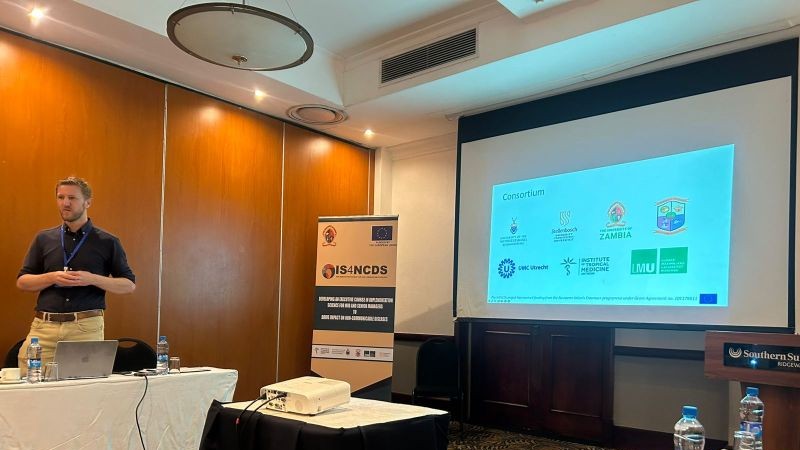
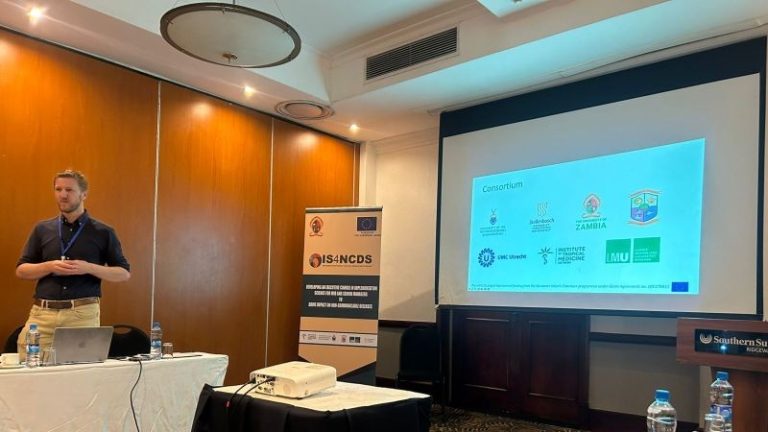
The IS4NCDs Consortium brings together expertise from leading European institutions including Utrecht University, Ludwig-Maximilian University, and the Institute of Tropical Medicine, alongside prominent African universities such as the University of Witwatersrand, Stellenbosch University, Copperbelt University, and the University of Zambia. This collaboration is expected to drive innovative research and implementation science to curb the growing impact of NCDs.

GOVERNMENT RECOGNIZES FORMIDABLE CHALLENGES OF NCDs- MOH.

Health Permanent Secretary for Donor Coordinaton Doctor...

Posted by Ministry of Health Zambia on Friday, June 6, 2025

The IS4NCDs project has received funding from the European Union's Erasmus+ programme under Grant Agreement no. 101179511

The IS4NCDs project has received funding from the European Union's Erasmus+ programme under Grant Agreement no. 101179511

IS4NCDs Project Officially Launched in Lusaka

IS4NCDs Project Officially Launched in Lusaka

IS4NCDs Project Officially Launched in Lusaka

8 June 2025

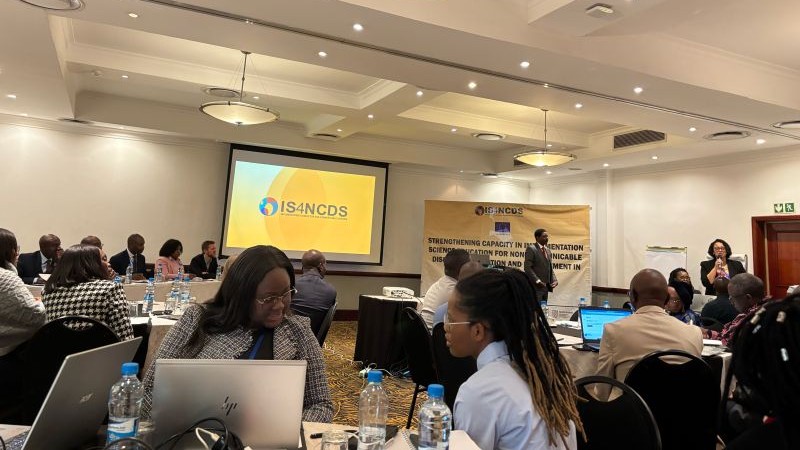
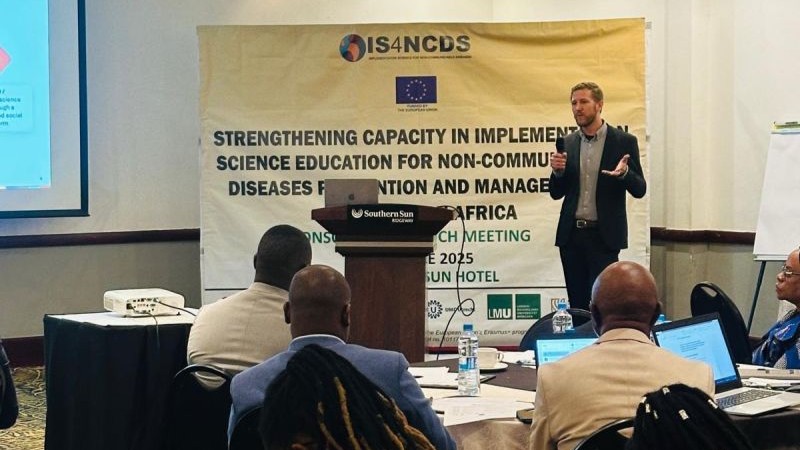
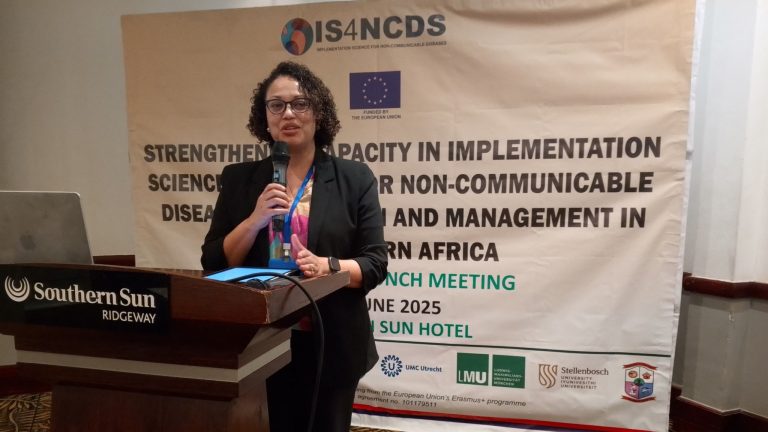
On the morning of Friday, June 6, 2025, in Lusaka, Zambia, the official launch of the Implementation Science for Non-Communicable Diseases (IS4NCDs) Curriculum Development project took place. This important initiative is funded by the European Union through its Erasmus+ programme. The project seeks to build capacity in implementation science education specifically targeted at the prevention and management of non-communicable diseases (NCDs) across Africa, with a particular focus on equipping graduates with the skills to translate national health policies into effective, actionable strategies.

In the IS4NCDs launch, principal investigator Martin Heine presented the project to esteemed guests from the Ministry of Health of Zambia, The University of Zambia (UNZA), Copperbelt University, and other institutions, underscoring the collaborative spirit driving this initiative.

Addressing Non-Communicable Diseases in Africa

NCDs, including cardiovascular diseases, cancers, diabetes, and chronic respiratory conditions, are a growing health challenge across sub-Saharan Africa, including Zambia. Despite the existence of evidence-based policies and innovations, consistent implementation and practical application remain major hurdles. The IS4NCDs project aims to address this gap by fostering a systemic educational approach that enhances the competencies of healthcare professionals and leaders in addressing these diseases through tailored postgraduate programs in implementation science with a focus on NCDs.

Project Goals and Educational Impact

The IS4NCDs initiative is designed to collaborate with multiple higher education institutions to develop or update specialized modules in implementation science related to NCD prevention and care. These modules are competency-based and transdisciplinary, targeting current and future healthcare workforce and policy leaders. Moreover, the project plans to establish a regional eHub and a social innovation platform to support ongoing knowledge dissemination, collaboration, and networking on NCD implementation science in Africa.

International Collaboration and Funding

The funding received from the European Union’s Erasmus+ programme underlines the international commitment to strengthening health systems in Africa through education and research. The project represents a collaboration among universities and health institutions in Africa and beyond, highlighting the importance of global partnerships in tackling the pervasive challenge of NCDs.

A Hopeful Step Toward Sustainable Health Improvements

The launch of IS4NCDs marks a significant step toward sustainable health improvements in Africa by emphasizing education, research, and international cooperation. This project not only focuses on policy translation but also encourages experiential learning and practical skills development within African healthcare systems, promising a better-equipped workforce to combat the growing epidemic of non-communicable diseases.

This initiative exemplifies how targeted educational interventions combined with collaborative international support can strengthen health outcomes and improve quality of life for populations affected by NCDs in Africa and beyond.

The IS4NCDs project has received funding from the European Union's Erasmus+ programme under Grant Agreement no. 101179511

The IS4NCDs project has received funding from the European Union's Erasmus+ programme under Grant Agreement no. 101179511

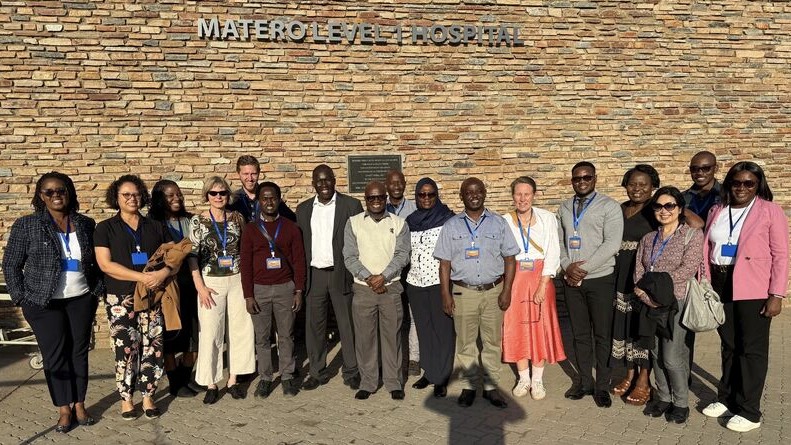
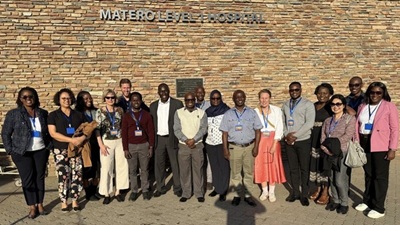
IS4NCDs Consortium Members Visit Matero First Level Hospital PenPlus Clinic on Day 3 of First Annual Meeting

IS4NCDs Consortium Members Visit Matero First Level Hospital PenPlus Clinic on Day 3 of First Annual Meeting

IS4NCDs Consortium First Annual Meeting Day 3

6 June 2025

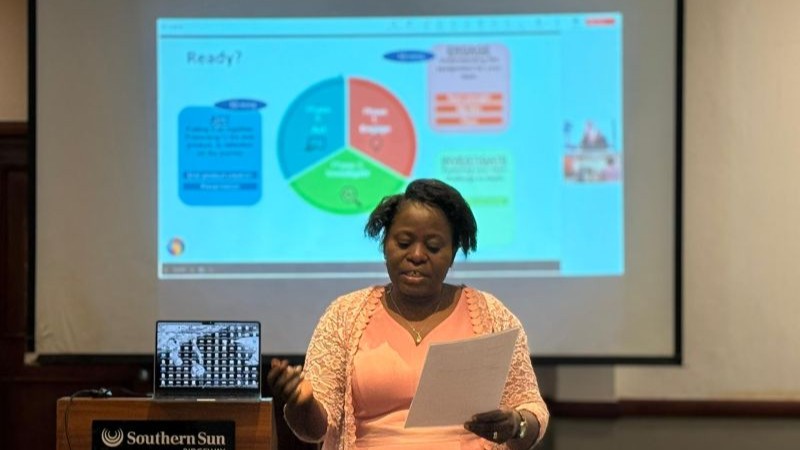
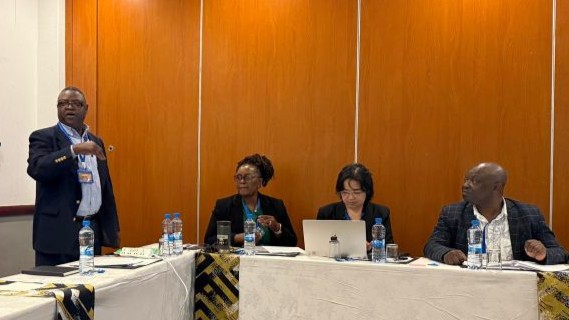
Day 3 of the IS4NCDs 2025 Consortium Meeting in Lusaka was marked by deep introspection and reflection as participants critically examined the planned modules for the Implementation Science for Non-Communicable Diseases (NCDs) course. The consortium, which aims to build capacity in implementation science tailored to NCD prevention and management in Africa, focused on refining the curriculum to ensure it addresses the unique challenges faced in the region.

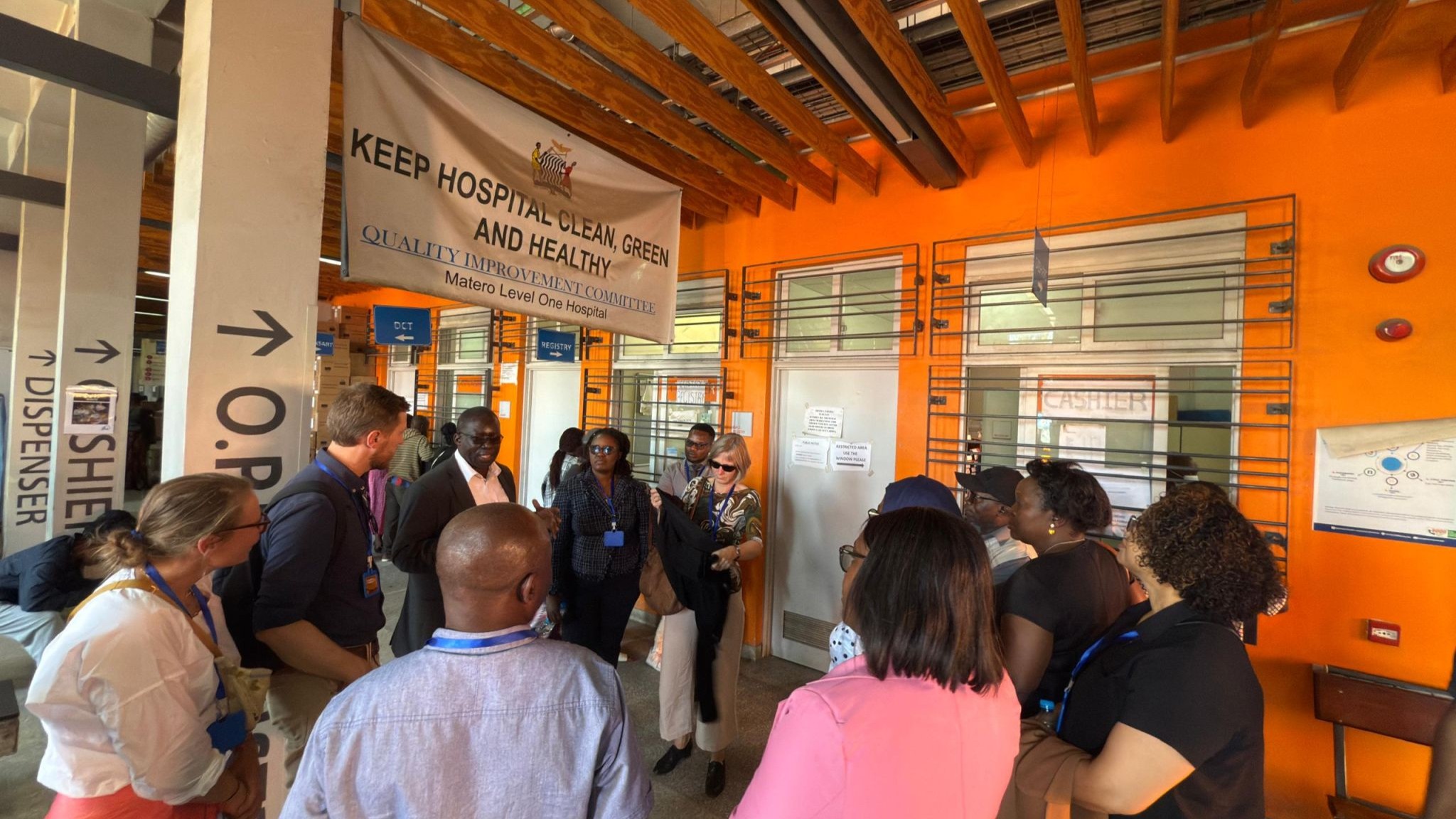
The day’s highlight was an enlightening visit to the Matero First Level Hospital PenPlus Clinic. This clinic is part of the PEN-Plus program, an integrated health service model addressing severe chronic NCDs at the first-referral hospital level in Zambia. The visit provided consortium members with a firsthand understanding of the practical health service delivery and patient care models in operation, emphasizing community-based and accessible care for chronic diseases.

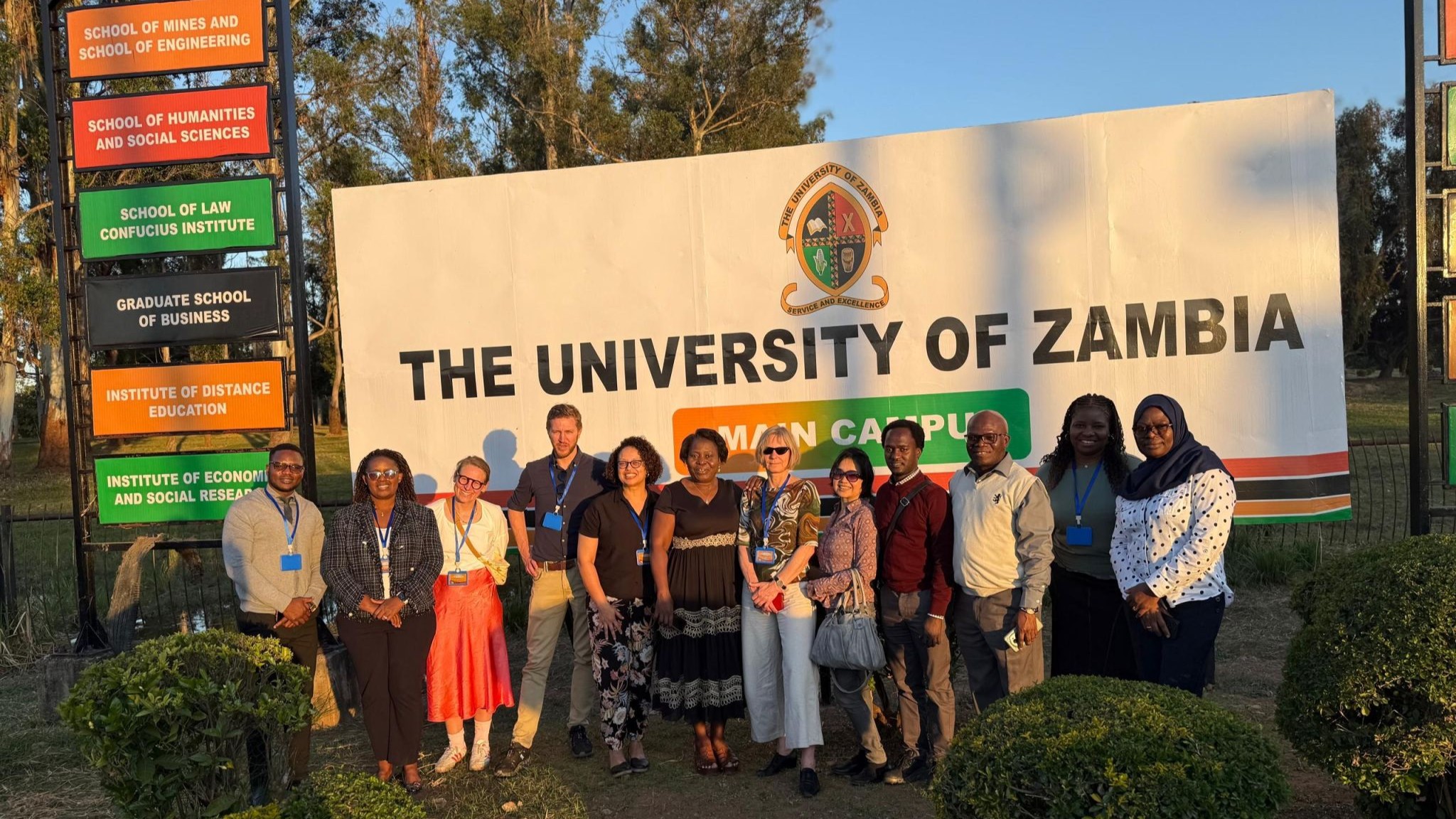
In addition to the clinical visit, the group toured the University of Zambia (UNZA) campus. The university plays a pivotal role in the IS4NCDs initiative, hosting the meeting and contributing to the development and dissemination of the new transdisciplinary, competency-based NCD-focused modules. The tour gave attendees an appreciation of the academic environment and resources supporting health education and research in Zambia.

This day in the meeting embodied the IS4NCDs project’s broader goals: enhancing collaborative efforts across universities in Southern Africa to train a skilled health and research workforce, capable of translating national NCD policies into effective actions. The reflective discussions and practical experiences gained during the hospital visit and campus tour are vital steps towards advancing the project’s commitment to fighting the rising burden of NCDs in Africa through innovative education and implementation science strategies.

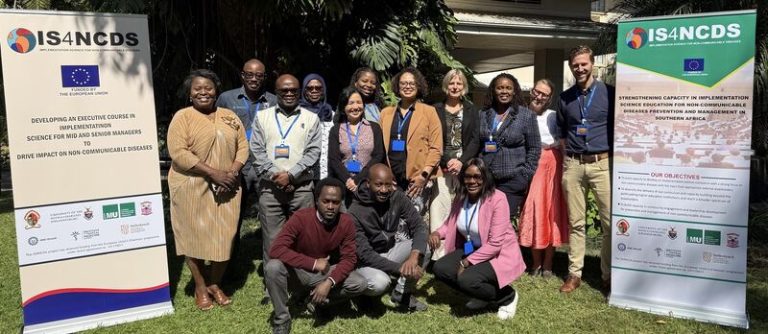
The IS4NCDs project is a collaborative effort involving the University of Zambia, Copperbelt University, Stellenbosch University, the University of the Witwatersrand Johannesburg, the Institute for Tropical Medicine, and Ludwig-Maximilians-Universität München, coordinated by the University Medical Center Utrecht. It focuses on co-developing course modules, training educators, and fostering partnerships to support effective NCD care and prevention in the region.

The IS4NCDs project has received funding from the European Union's Erasmus+ programme under Grant Agreement no. 101179511

The IS4NCDs project has received funding from the European Union's Erasmus+ programme under Grant Agreement no. 101179511

Day 2 of IS4NCDs First Annual Consortium Meeting Reinforces the Commitment of All Members

Day 2 of IS4NCDs First Annual Consortium Meeting Reinforces the Commitment of All Members

Day 2 of IS4NCDs First Annual Consortium Meeting

5 June 2025

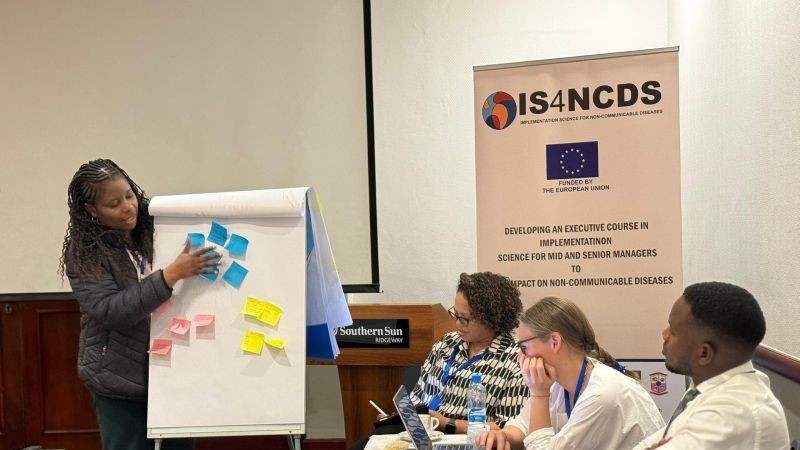
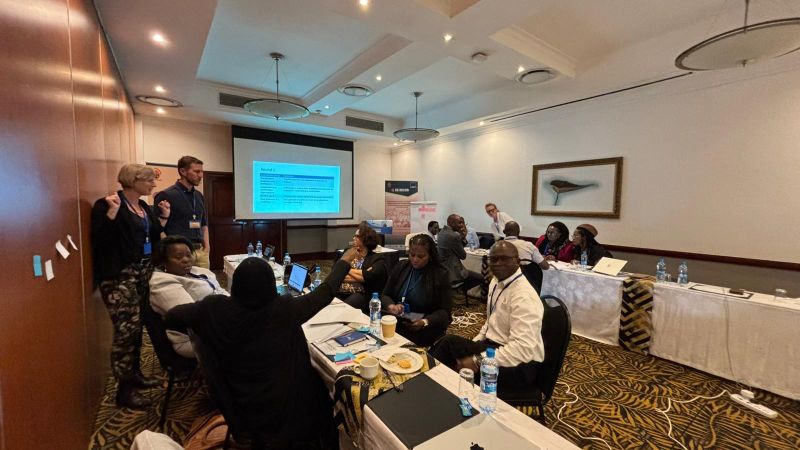
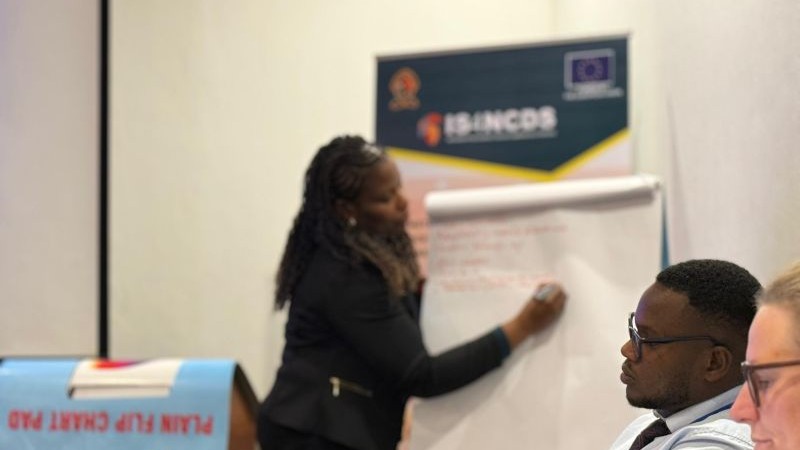
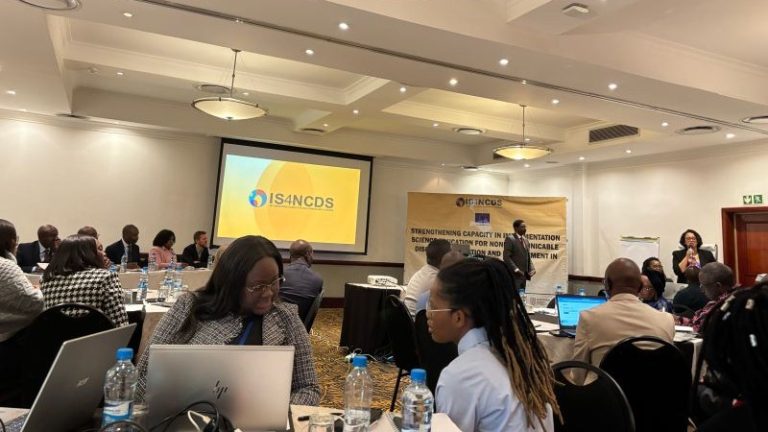
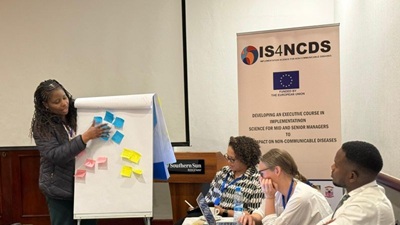
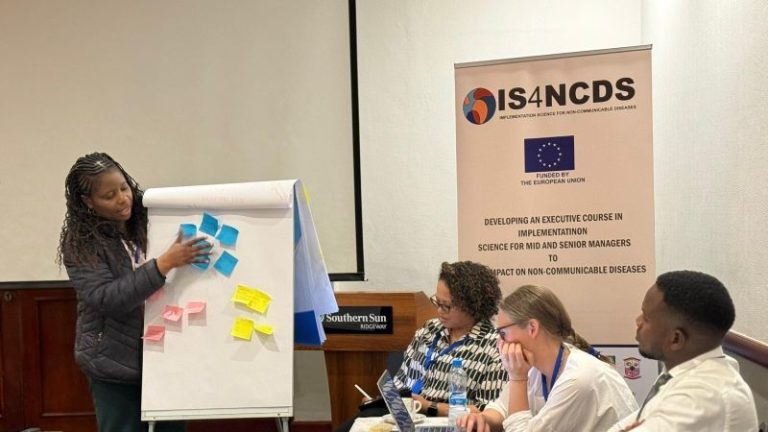
Day 2 at the IS4NCDs Consortium Meeting in Zambia marked an essential step forward in advancing collaborative efforts for non-communicable disease education and research. During this pivotal gathering, participants engaged in in-depth discussions and brainstorming sessions focused on the distinct aspects of their assigned Work Packages. These sessions provided a platform for critical reflection on how theoretical models and frameworks, commonly used in research, can be effectively adapted and transformed into actionable strategies within practical settings.

A key highlight of the day's activities was a group work session centered around Challenge-Based Learning. This innovative educational approach enabled attendees to actively engage with real-world problems related to NCDs, fostering a learning environment where participants not only investigated key challenges but also collaborated to implement practical solutions. The session epitomized the meeting's overarching goal: bridging the gap between research and practice by cultivating an interactive, problem-solving mindset among consortium members.

The IS4NCDs project has received funding from the European Union's Erasmus+ programme under Grant Agreement no. 101179511

The IS4NCDs project has received funding from the European Union's Erasmus+ programme under Grant Agreement no. 101179511