

Exploring Global Challenges in Non-Communicable Diseases: Insights from the 2025 Utrecht Summer School

Exploring Global Challenges in Non-Communicable Diseases: Insights from the 2025 Utrecht Summer School

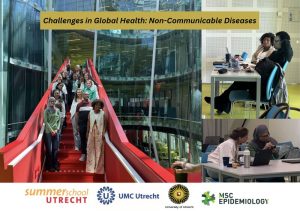
Challenges in Global Health: Non-Communicable Diseases

16 July 2025

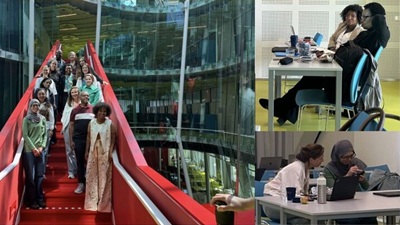
The 2025 "Challenges in Global Health: Non-Communicable Diseases" summer school, held from July 7 to July 11 at the University Medical Centre Utrecht, offered a comprehensive and interactive learning experience focused on addressing the global impact of non-communicable diseases (NCDs). Coordinated by Prof. Kerstin Klipstein-Grobusch, the course brought together participants and experts from Europe, Africa, Asia, and South America, including members of IS4NCDs and the Capstone West Africa consortium, to explore critical issues surrounding NCDs in diverse global settings.

Course Highlights and Objectives
Over the intensive one-week program, participants examined the burden and risk factors associated with NCDs, the influence of early life environments, and the complex interplay between communicable and non-communicable diseases. The curriculum also addressed the effects of globalization, migration, climate change, and environmental factors on health outcomes. Key discussions focused on effective prevention, management strategies across different health systems, and innovative policy responses, including the application of e-health, m-health, and big data technologies.

By the conclusion of the course, participants had enhanced their ability to:

  • Describe the epidemiology and global burden of NCDs.
  • Explain how early life experiences contribute to disease variation.
  • Analyze the intersection between communicable and non-communicable diseases.
  • Assess how global health threats influence NCD prevention and control.
  • Apply principles of disease surveillance, control, and prevention in various contexts.

Expert Faculty and Collaboration
The summer school was part of Utrecht University’s MSc Epidemiology program and organized through the UMC Utrecht's Global Health initiative. It featured an international and interdisciplinary faculty renowned for their expertise in global health and NCDs, including:

  • Assoc. Prof. Dr. Regien Biesma (UMC Utrecht)
  • Dr. Daniel Boateng (Kwame Nkrumah University of Science and Technology, Ghana & UMC Utrecht)
  • Dr. Olga Cambaco (Universidade Eduardo Mondlane, Mozambique)
  • Dr. George Downward (UMC Utrecht)
  • Dr. Grace Marie V. Ku (Institute of Tropical Medicine, Belgium)
  • Assoc. Prof. Dr. Ana Mocumbi (Universidade Eduardo Mondlane, Mozambique)
  • Dr. Daniel Opoku (Technical University Berlin & Kwame Nkrumah University, Ghana)
  • Prof. Dr. Monique Verschuren (UMC Utrecht)

These experts facilitated rich discussions and fostered cross-cultural academic exchange.

Participants and Impact
The course was open to master's students and professionals from epidemiology, public health, medicine, biomedical, and social sciences backgrounds with an interest in global health and NCD challenges. Through interactive sessions and collaborative learning, participants gained a deeper understanding of the varied challenges faced by low-, middle-, and high-income countries in managing NCDs.

Future Directions
Following this successful 2025 session, the Global Health Summer Schools at Utrecht continue with courses on Implementation Sciences in Global Health, Global Health Ethics & Equity, and Planetary Health. Preparations are underway for the 2026 edition, continuing to provide interdisciplinary education on urgent global health issues.

The IS4NCDs project has received funding from the European Union's Erasmus+ programme under Grant Agreement no. 101179511

The IS4NCDs project has received funding from the European Union's Erasmus+ programme under Grant Agreement no. 101179511
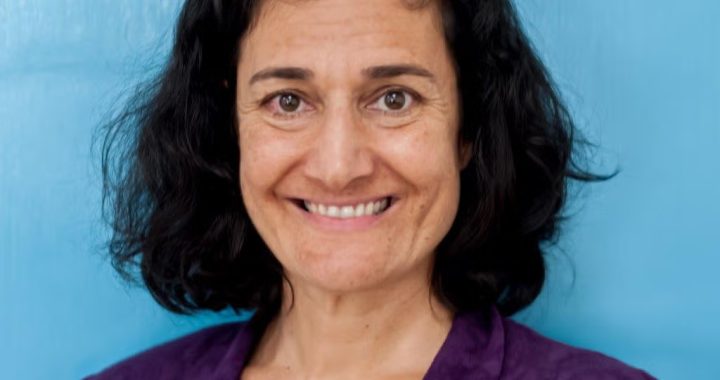
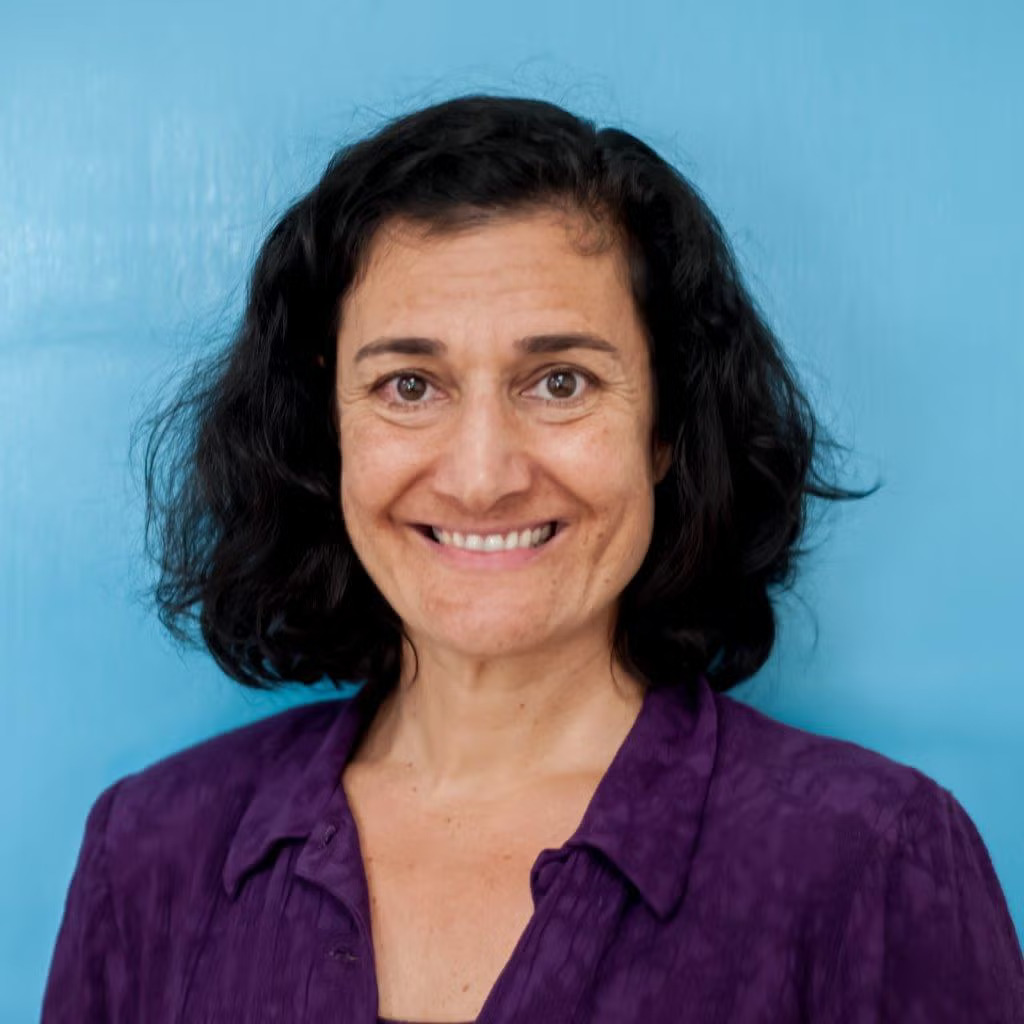
Professor Juliana Kagura

Professor Juliana Kagura
Co-Investigator for the IS4NCDS Project
Associate Professor, Division of Epidemiology & Biostatistics, School of Public Health at the University of the Witwatersrand (Wits)

Professor Juliana Kagura

Co-Investigator for the IS4NCDS Project
Associate Professor, Division of Epidemiology & Biostatistics, School of Public Health at the University of the Witwatersrand (Wits)

Professor Juliana Kagura serves as an Associate Professor in the Division of Epidemiology & Biostatistics, School of Public Health at the University of the Witwatersrand (Wits). She oversees and coordinates the Implementation Science field of study. She also teaches courses in Implementation Science, Monitoring and Evaluation for Health Programmes, NCD Epidemiology and Advanced Epidemiology. Her research expertise and interest focus on life course approach to NCD risk. She served as a technical advisor to WHO/TDR programme on Implementation Research core competencies.

The IS4NCDs project has received funding from the European Union's Erasmus+ programme under Grant Agreement no. 101179511
The IS4NCDs project has received funding from the European Union's Erasmus+ programme under Grant Agreement no. 101179511
Professor Kerstin Klipstein-Grobusch

Professor Kerstin Klipstein-Grobusch
Co-Investigator for the IS4NCDS Project
Head of Global Health, Julius Center for Health Sciences & Primary Care, University Medical Center Utrecht

Professor Kerstin Klipstein-Grobusch

Co-Investigator for the IS4NCDS Project
Head of Global Health, Julius Center for Health Sciences & Primary Care, University Medical Center Utrecht

Professor Kerstin Klipstein-Grobusch is Associate Professor and Head Global Health at the Julius Center for Health Sciences & Primary Care, University Medical Center Utrecht, The Netherlands and Visiting Professor at the School of Public Health, University of the Witwatersrand, South Africa.

She is an epidemiologist with over 25 years of experience in international research capacity building and mentoring in epidemiology, public and global health.

Her research focuses on the etiology, prevention and management of cardiovascular disease, double burden of malnutrition and co- and multimorbidity of communicable and non-communicable disease in a global context, including implementation science projects that aim to improve and scale-up care for hypertension and diabetes in Africa, Asia and Europe.

She leads the Horizon Europe funded ‘Optimizing care pathways and quality of care for moderate-to-severe hypertension, diabetes and common mental health multimorbidity in Mozambique (PEN-CONNECT)’ initiative. Previous work include the NIH-funded ‘Integrating heart health in HIV care in South Africa (iHEART-SA)’, and Horizon 2020-funded ‘Scaling-up diabetes and hypertension in vulnerable populations (SCUBY)’ implementation science projects.

She is the principal investigator of courses and capacity building training programmes such as in the ‘Capacity Strengthening of Transdisciplinary Education for Non-Communicable Disease Care in West Africa (CAPSTONE)’ and co-investigator of the IS4NCDs (Principal Investigator) focused on strengthening implementation science education and institutional capacity for non-communicable disease (NCD) care in Africa.

Academic and societal activities include memberships of institutional committees and academic/research networks. Amongst others, she is Deputy Editor of the World Health Federations’ scientific journal Global Heart and Executive Board Member of the European Global Health Research Institutes Network (EGHRIN).

In her current position as Head of Global Health her focus is on the development of global health research and capacity building (https://www.globalhealth.eu) at the Julius Center for Health Sciences and Primary Care, University Medical Center Utrecht, The Netherlands.

LINKS:

https://www.linkedin.com/in/kerstin-klipstein-grobusch/

https://pubmed.ncbi.nlm.nih.gov/?term=klipstein-grobusch&sort=pubdate

https://www.globalhealth.eu/?r3d=global-health-magazine-2023

The IS4NCDs project has received funding from the European Union's Erasmus+ programme under Grant Agreement no. 101179511
The IS4NCDs project has received funding from the European Union's Erasmus+ programme under Grant Agreement no. 101179511

Dr. Martin Heine

Dr. Martin Heine
Principal Investigator for the IS4NCDs Project, Assistant Professor in Implementation Science & Global Health at the University Medical Center Utrecht, Research Fellow at the Institute of Sport and Exercise Medicine, Stellenbosch University (South Africa)

Dr. Martin Heine

Principal Investigator for the IS4NCDs Project
Assistant Professor in Implementation Science & Global Health at the University Medical Center Utrecht, Research Fellow at the Institute of Sport and Exercise Medicine, Stellenbosch University (South Africa)

Dr. Martin Heine is the principal investigator for the IS4NCDs project, assistant professor in Implementation Science & Global Health at the University Medical Center Utrecht, and research fellow at the Institute of Sport and Exercise Medicine, Stellenbosch University (South Africa). His portfolio integrates implementation science, research, and capacity building to reduce the global burden of chronic diseases, particularly in low- and middle-income countries (LMICs) and among vulnerable populations in high-income settings. He leads the Erasmus+ funded project IS4NCDs (Principal Investigator) focused on strengthening implementation science education and institutional capacity for non-communicable disease (NCD) care in Africa. He has worked on international projects such as CAPSTONE (Erasmus+), SCUBY (EU Horizon) and iHeart-SA (NIH) to inform NCD-oriented health sciences education and integrated care policy and practice across multiple health systems and is co-investigator to PEN-CONNECT (EU Horizon) addressing integration of hypertension, diabetes, and mental health in Mozambique and the broader WHO Africa Region.

The IS4NCDs project has received funding from the European Union's Erasmus+ programme under Grant Agreement no. 101179511


The IS4NCDs project has received funding from the European Union's Erasmus+ programme under Grant Agreement no. 101179511

Dr. Grace Marie V. Ku

Dr. Grace Marie V. Ku
Co-Investigator for the IS4NCDS Project
Public Health Expert, Family and Community Medicine Physician-Specialist, Health Researcher and Academician

Dr. Grace Marie V. Ku

Co-Investigator for the IS4NCDS Project
Public Health Expert, Family and Community Medicine Physician-Specialist, Health Researcher and Academician

Dr. Grace Marie V. Ku is a public health expert, a family and community medicine physician-specialist and a health researcher and academician with background and experience in health systems, health policy & health development research & implementation; in strategic and quality management systems; and in bioethics. She is a senior researcher at the Health Policy Unit, with main focus on chronic conditions. Grace leads a capacity strengthening programme for Cambodia and is course leader of the MPH advanced course on NCDs and the Challenges in International Health core course on Health Systems and Policies for UHC at ITM.  Grace is an Assistant Professor at the Department of Gerontology of the Faculty of Medicine & Pharmacy, Vrije Universiteit Brussel and Associate Professor at the Department of Preventive Medicine,  Faculty of Medicine and Surgery, University of Santo Tomas, the Philippines.

The IS4NCDs project has received funding from the European Union's Erasmus+ programme under Grant Agreement no. 101179511
The IS4NCDs project has received funding from the European Union's Erasmus+ programme under Grant Agreement no. 101179511
Dr. Marie-Therese Schultes

Dr. Marie-Therese Schultes
Senior Researcher at the Chair of Public Health and Health Services Research at Ludwig-Maximilians-University (LMU) Munich

Dr. Marie-Therese Schultes

Senior Researcher at the Chair of Public Health and Health Services Research at Ludwig-Maximilians-University (LMU) Munich

Dr. Marie-Therese Schultes is a Senior Researcher at the Chair of Public Health and Health Services Research at Ludwig-Maximilians-University (LMU) Munich. She is a certified health psychologist with a special interest in competency development in implementation science, implementation evaluation and participatory research. Marie-Therese is the founder of the German Speaking Implementation Science Network INFo↔P.

The IS4NCDs project has received funding from the European Union's Erasmus+ programme under Grant Agreement no. 101179511
The IS4NCDs project has received funding from the European Union's Erasmus+ programme under Grant Agreement no. 101179511

Dr. Lisa Pfadenhauer

Dr. Lisa Pfadenhauer
Co-Investigator for the IS4NCDS Project
Senior Researcher, Chair of Public Health and Health Services Research at Ludwig-Maximilians-University (LMU) Munich

Dr. Lisa Pfadenhauer

Co-Investigator for the IS4NCDS Project
Senior Researcher, Chair of Public Health and Health Services Research at Ludwig-Maximilians-University (LMU) Munich

Dr. Lisa Pfadenhauer is a senior researcher at the Chair of Public Health and Health Services Research at Ludwig-Maximilians-University (LMU) Munich, Germany and an adjunct assistant professor at Rollins School of Public Health at Emory University, Atlanta, USA. She holds a B.A. in International and Cultural Business Studies, a Master of Public Health (MPH), and a Ph.D. in Epidemiology and Public Health. Her research focuses on the intersection of evidence, practice, and policy, with particular interest in methods such as evidence synthesis and primary qualitative research. Lisa is involved in developing and applying theories and hands-on approaches to exchange and translate knowledge into practice and policy. For example, she co-developed, supported the implementation and evaluated an integrated knowledge translation approach implemented across five countries (Ethiopia, Malawi, Uganda, Rwanda, South Africa) and eight institutions. In addition to her research, Lisa is passionate about teaching and has developed, implemented and evaluated several innovative teaching formats at LMU.

The IS4NCDs project has received funding from the European Union's Erasmus+ programme under Grant Agreement no. 101179511
The IS4NCDs project has received funding from the European Union's Erasmus+ programme under Grant Agreement no. 101179511

Latifat Ibisomi, PhD, MSc (Med), MSc, BSc (Hons)

Latifat Ibisomi, PhD, MSc (Med), MSc, BSc (Hons)
Head of the Epidemiology and Biostatistics Division, Wits School of Public Health, Co-Director at the BAMMISHO Health and Demographic Surveillance Site in Rustenburg, South Africa

Latifat Ibisomi, PhD, MSc (Med), MSc, BSc (Hons)

Head of the Epidemiology and Biostatistics Division, Wits School of Public Health, Co-Director at the BAMMISHO Health and Demographic Surveillance Site in Rustenburg, South Africa

Latifat Ibisomi, PhD, MSc (Med), MSc, BSc (Hons) holds a PhD in Demography and Population Studies, MSc (Med) in Epidemiology & Biostatistics, MSc in Population Studies, and a BSc (Hons) in Statistics. She currently heads the Epidemiology and Biostatistics division, Wits School of Public Health. She also holds certifications in many specialized population, health, development, and management training programmes. Among other responsibilities, she is a co-Director at the BAMMISHO Health and Demographic Surveillance Site in Rustenburg, South Africa; a member of the Global Accrediting Body (GAB) for the Training Programs in Epidemiology and Public Health Interventions Network (TEPHINET); and an adviser on the WHO/TDR Implementation Research core competency framework. She is the PI for/manages the WHO/TDR and NIH implementation research grants for the school. She leads the teaching of and research on Quality Improvement at the Wits SPH and teaches and coordinates courses in Epidemiology, Research Methods, and Implementation Science. Her research focus is on promoting the sexual and reproductive health (including HIV and MCH), and well-being of the different segments of the African population using both quantitative and qualitative methodologies.

The IS4NCDs project has received funding from the European Union's Erasmus+ programme under Grant Agreement no. 101179511

The IS4NCDs project has received funding from the European Union's Erasmus+ programme under Grant Agreement no. 101179511

Professor Tobias Chirwa

Professor Tobias Chirwa
Head of the School of Public Health of the University of the Witwatersrand (Wits), Programme Director for the Sub-Saharan Africa Consortium for Advanced Biostatistics (SSACAB)

Professor Tobias Chirwa

Head of the School of Public Health of the University of the Witwatersrand (Wits), Programme Director for the Sub-Saharan Africa Consortium for Advanced Biostatistics (SSACAB)

Professor Tobias Chirwa heads the School of Public Health of the University of the Witwatersrand (Wits), South Africa. He is the Programme Director for the Sub-Saharan Africa Consortium for Advanced Biostatistics (SSACAB) and co-leads the Wits-University of North Carolina (UNC) partnership on expanding capacity in HIV Implementation Science in South Africa, together with the WHO/TDR Implementation Research. Prior to this, he was a Research Fellow in Medical Statistics at London School of Hygiene and Tropical Medicine (LSHTM).

He has contributed towards curriculum development and capacity building in implementation science, epidemiology and biostatistics in Malawi and South Africa, and across the SSA region. His research has revolved around STIs and HIV, maternal and newborn health. He continues to work on HIV, tuberculosis diagnosis, treatment adherence and post-treatment survival, child health and more recently malaria transmission. His statistical interest is in longitudinal and survival data analysis. He has co-authored more than 100 peer-reviewed journal articles.

The IS4NCDs project has received funding from the European Union's Erasmus+ programme under Grant Agreement no. 101179511

The IS4NCDs project has received funding from the European Union's Erasmus+ programme under Grant Agreement no. 101179511

Dr. Mwila Hilton Mwaba

Dr. Mwila Hilton Mwaba
Lecturer at Copperbelt University with a background in Pharmaceutical Sciences, Immunology, Molecular Biology, and Virology

Dr. Mwila Hilton Mwaba

Lecturer at Copperbelt University with a background in Pharmaceutical Sciences, Immunology, Molecular Biology, and Virology

Dr. Mwila Hilton Mwaba is a Lecturer at Copperbelt University with a background in pharmaceutical sciences, immunology, molecular biology, and virology. He holds a master’s and doctoral degree in Pharmaceutical Sciences and has experience as a researcher, research coordinator, and team lead working on both communicable and non-communicable diseases (NCDs). Dr. Mwaba has experience in curriculum development, training health professionals, and coordinating a doctoral program in public health. His research skills and data analysis experience are relevant to the IS4NCDs project's focus on implementation science and evidence-based interventions. Dr. Mwaba's collaborative experience on international research projects will be valuable for the consortium's multi-partner structure, and his passion for improving health outcomes, particularly for vulnerable populations in Zambia, aligns with the project's aim to address the region's growing burden NCDs.

The IS4NCDs project has received funding from the European Union's Erasmus+ programme under Grant Agreement no. 101179511

The IS4NCDs project has received funding from the European Union's Erasmus+ programme under Grant Agreement no. 101179511

David Mulenga

David Mulenga
Co-Investigator for the IS4NCDs Project
Dean of the Medical School at the Copperbelt University

David Mulenga

Co-Investigator for the IS4NCDs Project
Dean of the Medical School at the Copperbelt University

David Mulenga is a Co-Investigator for the IS4NCDs project — focused on strengthening implementation science education and institutional capacity for non-communicable disease (NCD) care in Africa. He is a registered public health specialist, senior lecturer and Dean of the Medical School at the Copperbelt University, in Ndola, Zambia. He holds a BSc in Biological Sciences, a Master of Public Health (MPH), and a DSc. in Public Health. His research focuses on Non Communicable Diseases and Environmental threats, with particular interest in indoor and ambient air pollution. David has been a research fellow at the Centre of Environmental and Respiratory Health (CERH) at University of Oulu in Finland and a visiting Fulbright Scholar at Oregon States University in the USA leading to the publication of a textbook “Understanding Public Health in Africa: Cases and Issues”. In addition to his research, David is passionate about teaching and community engagement. He was involved in setting up a community based education program for medical students to appreciate determinants of health in rural and urban communities.

The IS4NCDs project has received funding from the European Union's Erasmus+ programme under Grant Agreement no. 101179511

The IS4NCDs project has received funding from the European Union's Erasmus+ programme under Grant Agreement no. 101179511

Josephine Nkhowani

Josephine Nkhowani
Research Associate with the University of Zambia, Project Coordinator for the IS4NCDs Consortium at the University of Zambia

Josephine Nkhowani

Research Associate with the University of Zambia, Project Coordinator for the IS4NCDs Consortium at the University of Zambia

Josephine Nkhowani, is a Research Associate with the University of Zambia. She also serves as Project Coordinator for the IS4NCDs Consortium at the University of Zambia and supports the Countdown to 2030 initiative in partnership with the Ministry of Health as a research fellow. She holds a Master of Science in Epidemiology, a Bachelor of Science in Public Health, and a Postgraduate Diploma in Teaching Methodology. She has also completed several professional certifications in project management, data analysis (SPSS), and research methodologies.

Her work is rooted in the intersection of gender, health equity, and implementation science, with a strong emphasis on applying mixed methods to inform policy and practice. She has coordinated studies on adolescent sexual and reproductive health, harmful gender norms, and workplace harassment and violence in the health systems among frontline healthcare workers applying tools such as Dedoose and SPSS/Stata for qualitative and quantitative data analysis.

In her various roles, she contributes to grant writing, research design and stakeholder engagements. Notably, she has supported projects funded by international partners such as CDC Atlanta and has contributed to dissemination efforts that translate research findings into actionable insights. Beyond research, she is passionate about capacity building and evidence-informed development.

The IS4NCDs project has received funding from the European Union's Erasmus+ programme under Grant Agreement no. 101179511

The IS4NCDs project has received funding from the European Union's Erasmus+ programme under Grant Agreement no. 101179511